Sometimes a wall looks tired, uneven, or marked up, and your first instinct is to grab a paint roller. But certain damage runs deeper than any coat of paint can fix. When structural cracks appear, when surfaces feel soft or crumbly to the touch, or when water stains reappear no matter how many times you cover them, your walls need new drywall rather than just cosmetic touch-ups. Recognizing these warning signs early saves you time, money, and the frustration of painting over problems that will only get worse.
Why Paint Alone Cannot Fix Every Wall Problem
Paint is designed to cover and protect a sound, stable surface. When the substrate underneath is compromised, paint simply masks the issue temporarily. You might see a clean finish for a few weeks or months, but the underlying damage will telegraph back through. Bubbling, peeling, recurring stains, and visible cracks will all return if the drywall itself is failing.
Understanding the difference between a cosmetic flaw and a structural issue helps you make informed decisions. Cosmetic flaws include minor scuffs, light scratches, small nail holes, or faded color. Structural issues involve the integrity of the drywall panel, the framing behind it, or moisture intrusion that has weakened the gypsum core.
Persistent Cracks That Reappear After Repair
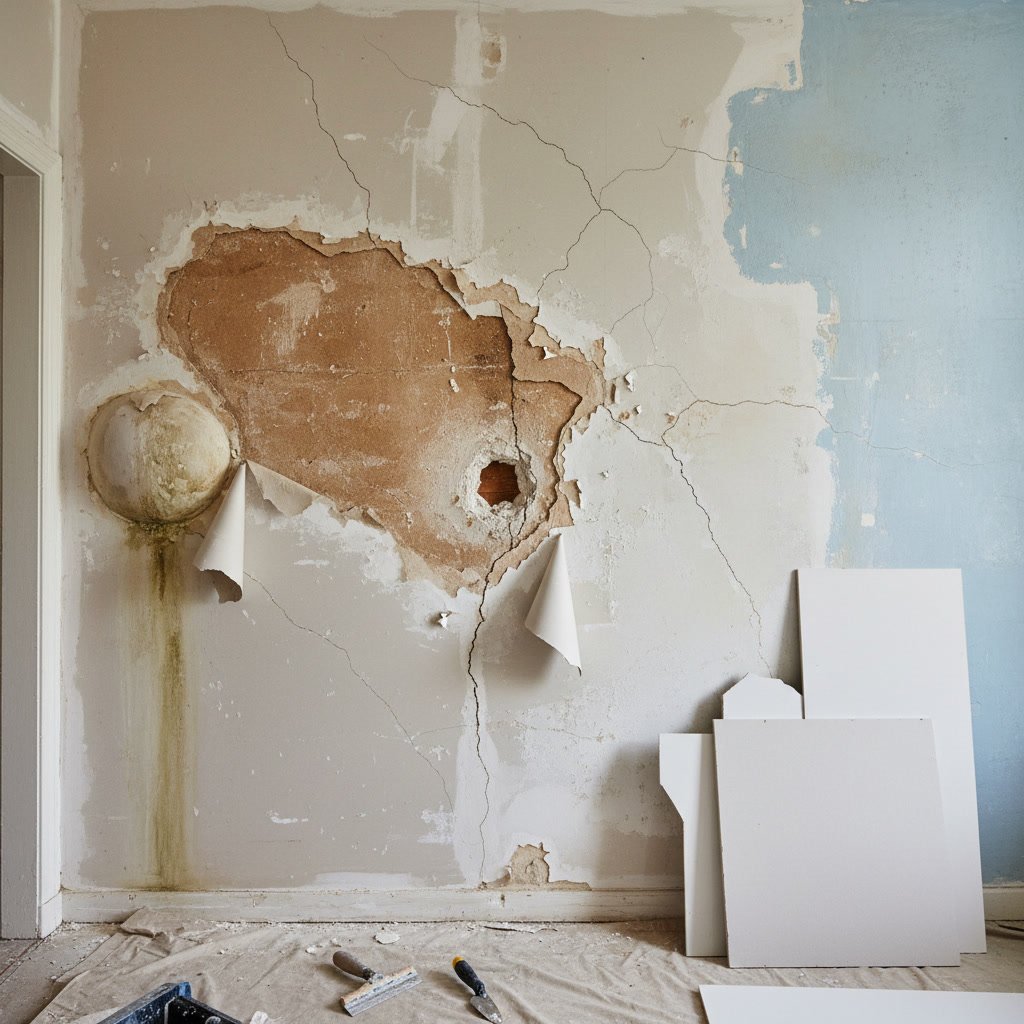
Hairline cracks from normal settling are common in homes and can be patched with joint compound before repainting. But if you notice the same crack reopening within weeks or months, the problem lies deeper. This often signals movement in the wall framing, foundation settling, or compromised drywall that has lost its structural cohesion.
Cracks wider than an eighth of an inch, cracks that run diagonally across large sections of wall, or cracks accompanied by bulging are red flags. These patterns suggest the drywall has separated from the studs or that the panel itself is fractured beyond simple surface repair. Painting over these cracks will not stop them from spreading.
Soft Spots or Sagging Sections on Interior Walls
Press your hand gently against different areas of your wall. If any section feels spongy, bows inward, or gives under light pressure, the gypsum core has likely been saturated with water at some point. Even after drying out, waterlogged drywall loses its rigidity and can harbor mold spores within the paper facing and gypsum.
Sagging sections, particularly near ceilings or around windows, indicate the drywall has separated from its fasteners or the fasteners have pulled through weakened material. No amount of paint will restore the structural integrity of soft or sagging drywall. The only reliable fix is removal and replacement.
Water Stains That Keep Coming Back
A water stain on your ceiling or wall tells you moisture has penetrated the surface. If you paint over it with a stain-blocking primer and the discoloration returns, you have an active or recurring moisture source. This could be a roof leak, plumbing issue, or condensation problem that continues to saturate the drywall.
Once drywall absorbs water, it swells and the paper facing delaminates. Even after the leak is fixed, the damaged panel remains a breeding ground for mold and will never hold paint properly. In these cases, water damage restoration services should include full drywall replacement in the affected areas, not just cosmetic touch-ups.
If you are unsure whether visible damage requires professional attention, this guide on how to tell if water damage requires professional restoration provides additional context and decision criteria.
Visible Mold or Mildew Growth Behind the Surface
Surface mold on painted walls can sometimes be cleaned and treated if caught early. But when you see discoloration spreading behind the paint, bubbling that reveals dark patches underneath, or a musty odor concentrated near certain walls, the mold has colonized the drywall itself.
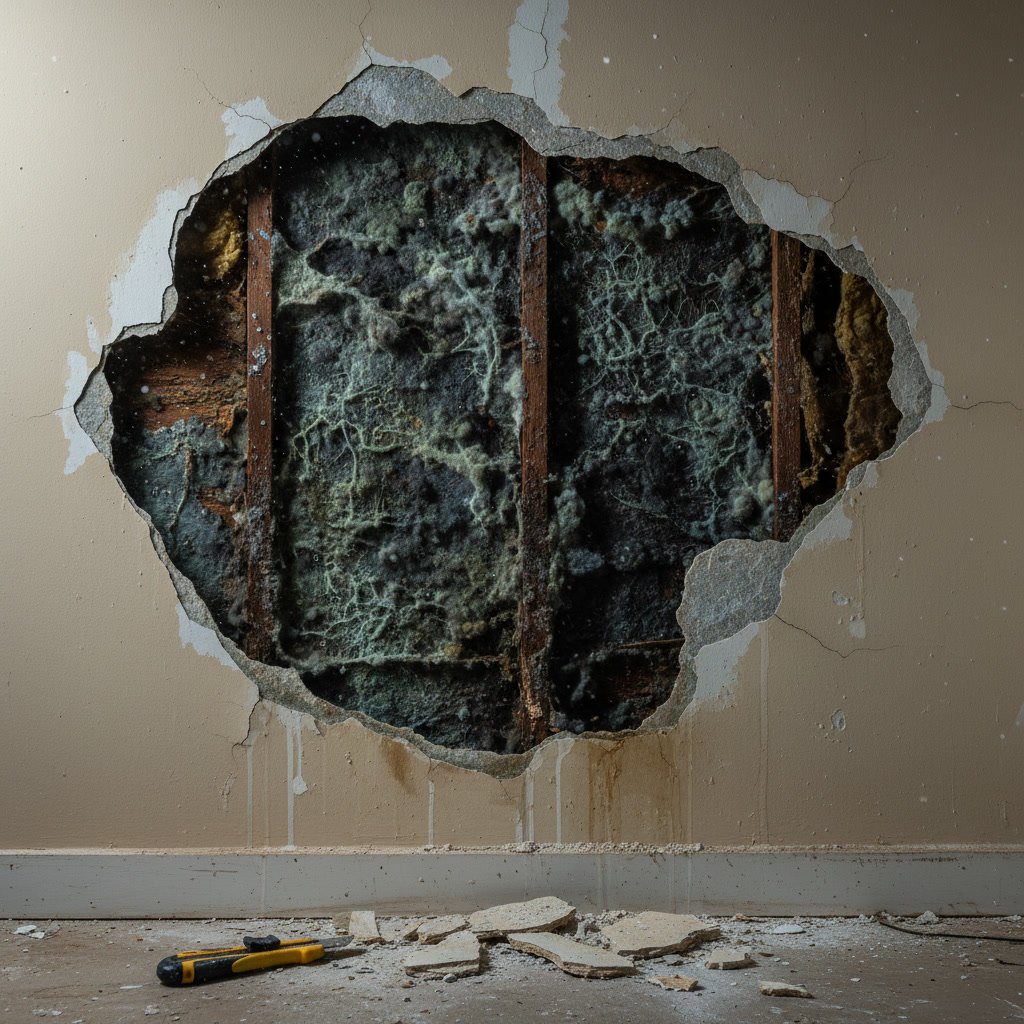
Mold grows inside the porous gypsum and paper layers. Painting over it or wiping the surface does not eliminate the colony. The only safe and effective solution is to remove the contaminated drywall, address the moisture source, and install new panels. This is especially common in bathrooms, basements, and exterior walls with poor insulation.
Holes, Gouges, or Damage Larger Than a Few Inches
Small nail pops and minor dings can be filled with spackle and sanded smooth. But once a hole exceeds three or four inches in diameter, or when deep gouges compromise the full thickness of the panel, patching becomes less reliable. Large patches often show through paint due to differences in texture and moisture absorption.
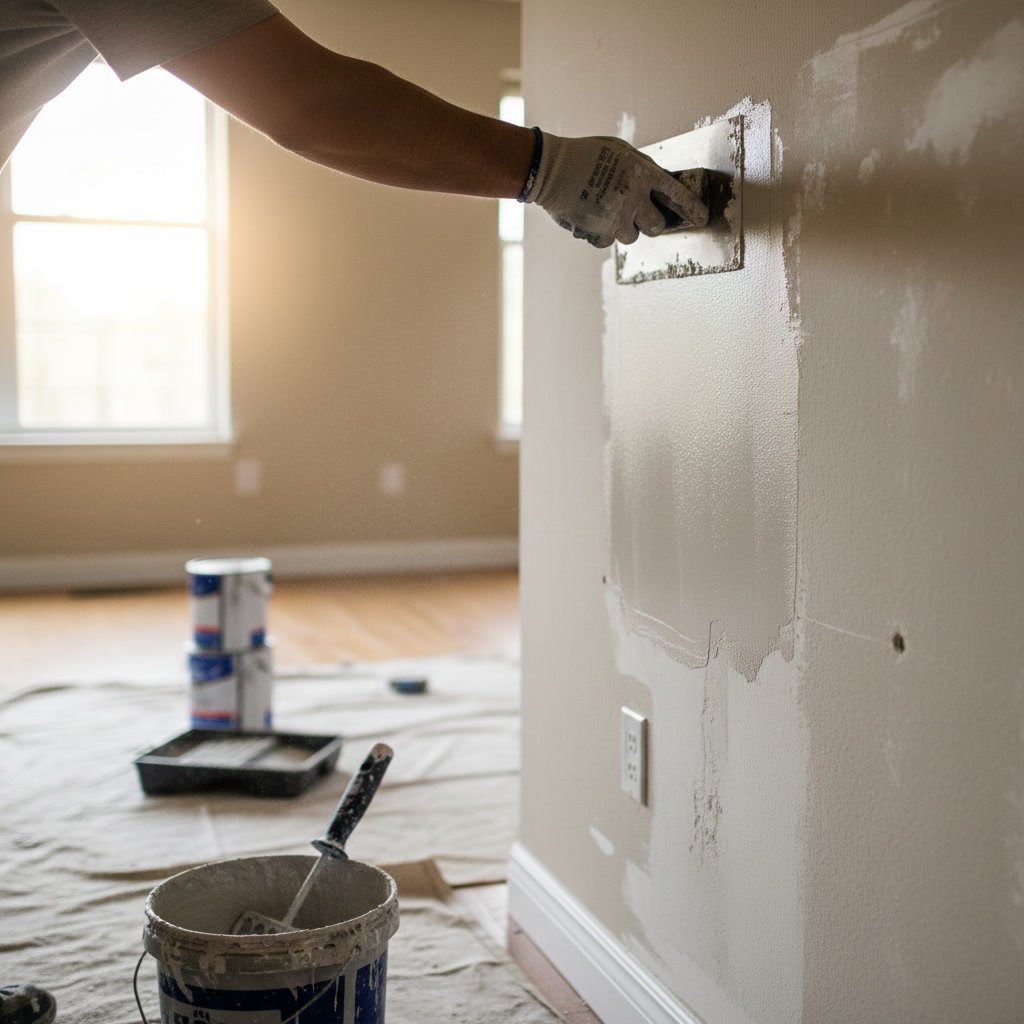
Door handle impacts, furniture collisions, and accidental punctures sometimes create damage that is easier and more durable to fix by cutting out the damaged section and installing a new piece of drywall. This approach ensures a seamless finish that will not crack or telegraph through your paint over time.
Popcorn Texture or Wallpaper Hiding Serious Flaws in Wappingers Homes
Many older homes in the area have popcorn ceilings or multiple layers of wallpaper that were applied to hide imperfections. When you decide to modernize and remove these outdated finishes, you may discover the underlying drywall is severely damaged, uneven, or never properly finished in the first place.
Popcorn ceiling removal often reveals water stains, cracks, and patches that were never sanded flat. Similarly, wallpaper removal can pull away chunks of the paper facing or expose crumbling plaster underneath. In these situations, installing fresh drywall provides a clean, smooth canvas for modern paint finishes.
Outdated or Damaged Plaster Walls
Homes built before the 1950s often have plaster walls instead of drywall. While plaster is durable, it becomes brittle with age. Cracks, crumbling sections, and separation from the lath backing are common issues. Repairing plaster requires specialized skills and materials that are increasingly rare and expensive.
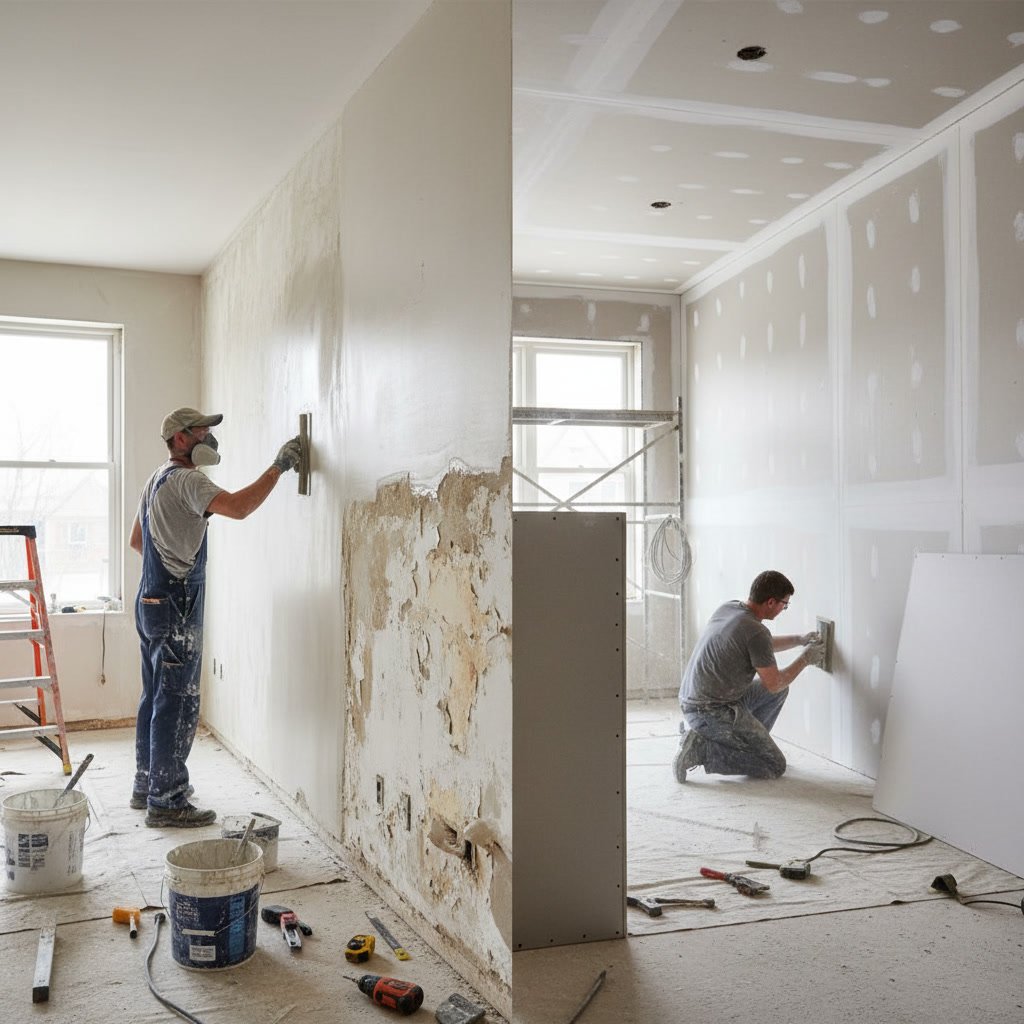
Many homeowners choose to cover failing plaster with new drywall rather than attempting piecemeal plaster repairs. This approach modernizes the wall system, improves insulation, and provides a stable substrate for paint. It also eliminates the dust and mess associated with plaster deterioration.
When to Combine Drywall Replacement With Other Upgrades
If you are already planning renovations that involve opening walls for electrical work, adding insulation, or reconfiguring room layouts, this is the ideal time to replace any questionable drywall. The walls are already exposed, so the incremental cost and disruption are minimal compared to doing the work separately later.
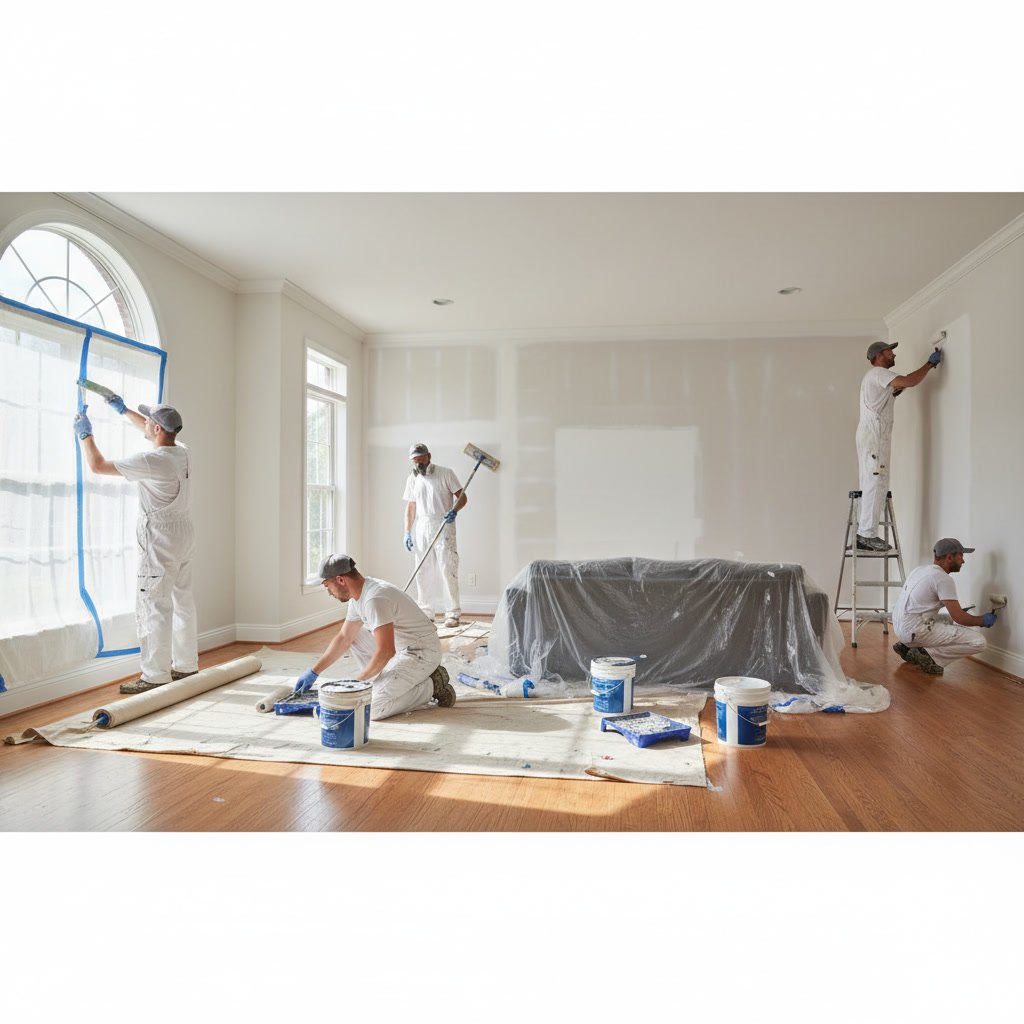
Combining drywall installation with interior house painting ensures a cohesive finish and streamlines the project timeline. You avoid the inefficiency of painting over damaged surfaces only to tear them out and repaint later.
How Professional Assessment Saves You Money
A trained eye can distinguish between damage that needs full replacement and issues that can be repaired cost-effectively. Professionals use moisture meters to detect hidden water intrusion, inspect framing for structural movement, and evaluate whether mold remediation is necessary before new drywall goes up.
Attempting to paint over serious drywall problems wastes money on materials and labor that will not last. A proper assessment up front prevents repeated failures and ensures your investment in new paint delivers the lasting, beautiful results you expect. The same principle applies to budgeting for any finish work, as outlined in this breakdown of interior house painting costs.
Protecting Your Investment With Quality Materials and Workmanship
Not all drywall is created equal. Moisture-resistant and mold-resistant panels are available for bathrooms, basements, and other high-humidity areas. Using the right product for the environment prevents premature failure and recurring damage. Proper fastening, taping, and mudding techniques are just as important as the panel itself.
Experienced installers know how to float seams invisibly, match existing textures, and prepare surfaces so paint adheres evenly without streaking or flashing. Cutting corners on drywall work undermines even the best paint job. Quality installation is the foundation of a finish that looks great and lasts for years.
Getting Your Home Back to Beautiful
Recognizing when your walls have moved beyond the point where paint can help is the first step toward a real solution. Whether you are dealing with water damage, structural settling, outdated finishes, or simply wear and tear that has compromised the drywall, replacement restores both the appearance and the integrity of your interior spaces. Addressing these issues properly means your next paint job will look better and last longer.
JJv2 Interior House Painter Dutchess County LLC brings over 20 years of hands-on experience to every drywall and painting project in Wappingers and throughout Dutchess County. Owner Richard Rivera and his team assess your walls honestly, recommend the right scope of work, and deliver clean, careful craftsmanship that respects your home and your budget. If you have noticed any of the warning signs described here, reach out for a professional evaluation and a clear plan forward at +1 (845) 379-3306.