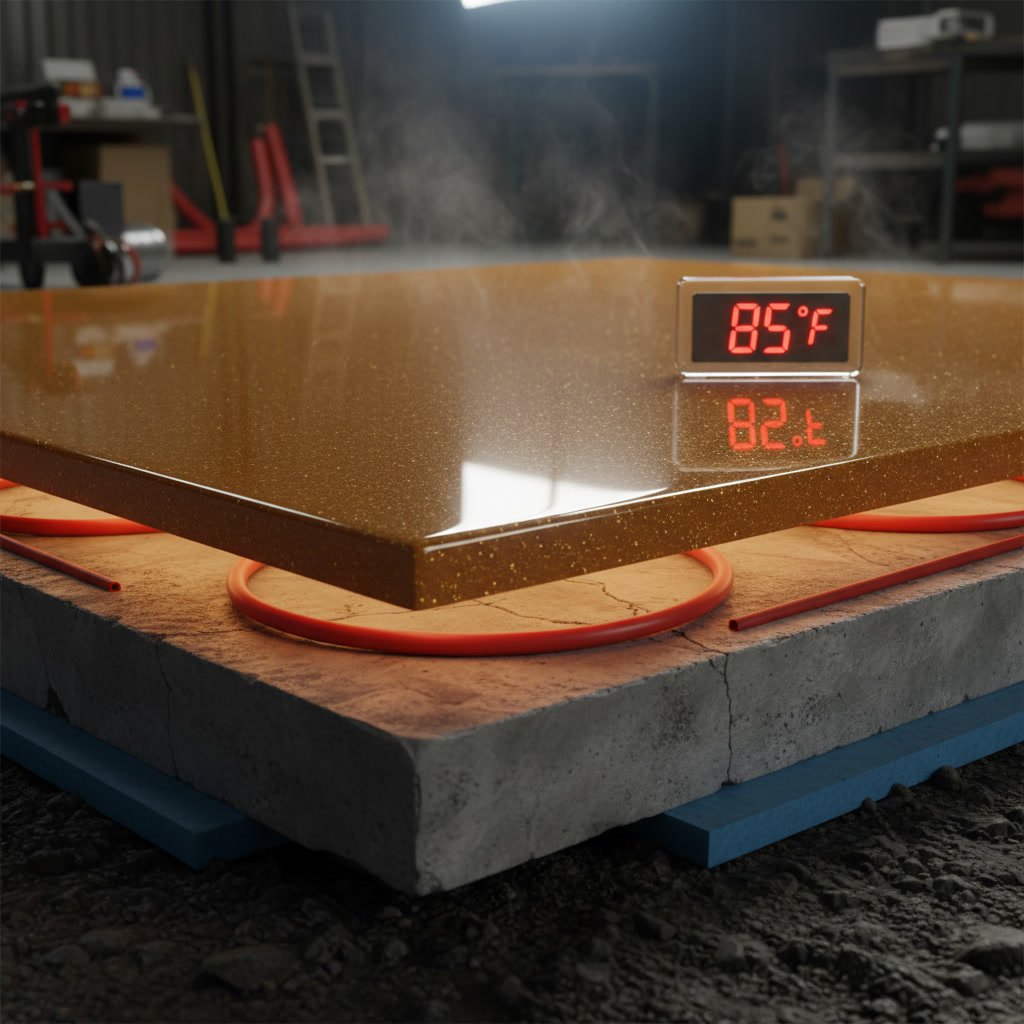
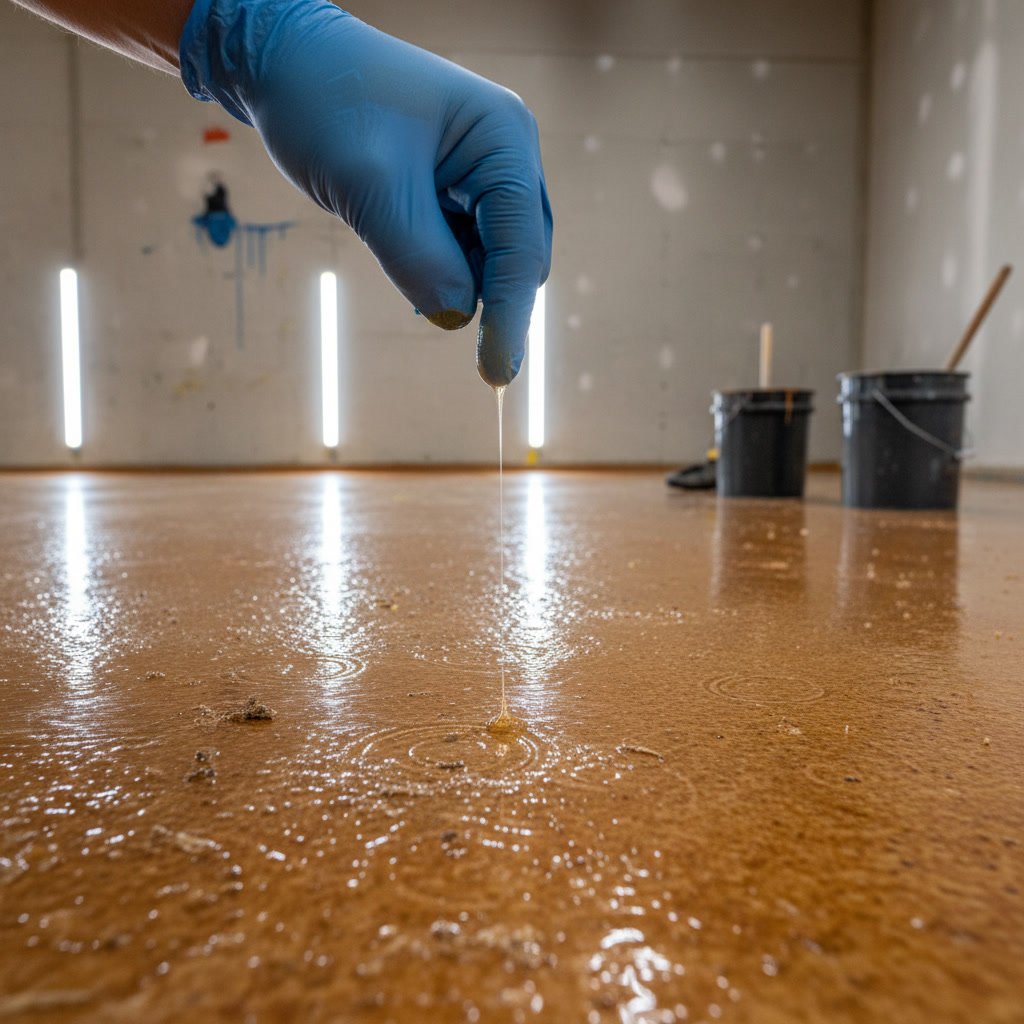
An epoxy floor sticky or tacky surface after application usually stems from improper mixing ratios, inadequate curing conditions, or surface contamination. The good news is that most sticky epoxy problems can be resolved by adjusting temperature and humidity, applying a fresh coat over fully cured substrate, or in severe cases, removing the compromised layer and starting fresh. Understanding the root cause determines the most effective fix.
Understanding Why Epoxy Coatings Should Cure Hard
Epoxy floor coatings are designed to undergo a chemical reaction between resin and hardener that transforms liquid components into a rigid, cross-linked polymer. When properly mixed and cured, the resulting surface should be hard enough to withstand foot traffic, vehicle weight, and routine cleaning without any tackiness. A fully cured epoxy floor feels smooth and solid to the touch, similar to a polished countertop.
The curing process is not the same as simple evaporation. Unlike paint that dries as solvents evaporate, epoxy cures through an exothermic chemical reaction. This reaction generates heat as molecular bonds form, and it requires precise conditions to proceed correctly. When something interrupts or slows this reaction, the coating remains partially cured and retains a sticky or rubbery texture instead of hardening completely.
The Science Behind Incomplete Epoxy Curing
Epoxy formulations rely on a specific ratio of resin to hardener, typically expressed as a mix ratio like 2:1 or 4:1 by volume. When you deviate from this ratio by even 10 percent, the chemical reaction cannot proceed to completion. Excess resin or hardener remains unreacted in the coating, creating pockets of uncured material that feel sticky.
Temperature plays a critical role in the curing reaction. Most garage and basement epoxy products are formulated to cure at temperatures between 60 and 90 degrees Fahrenheit. Below 55 degrees, the reaction slows dramatically and may never fully complete. High humidity above 85 percent can introduce moisture into the epoxy before it cures, interfering with the chemical bonds and leaving a tacky film on the surface.
Incorrect Mixing Ratios and Poor Blending Technique
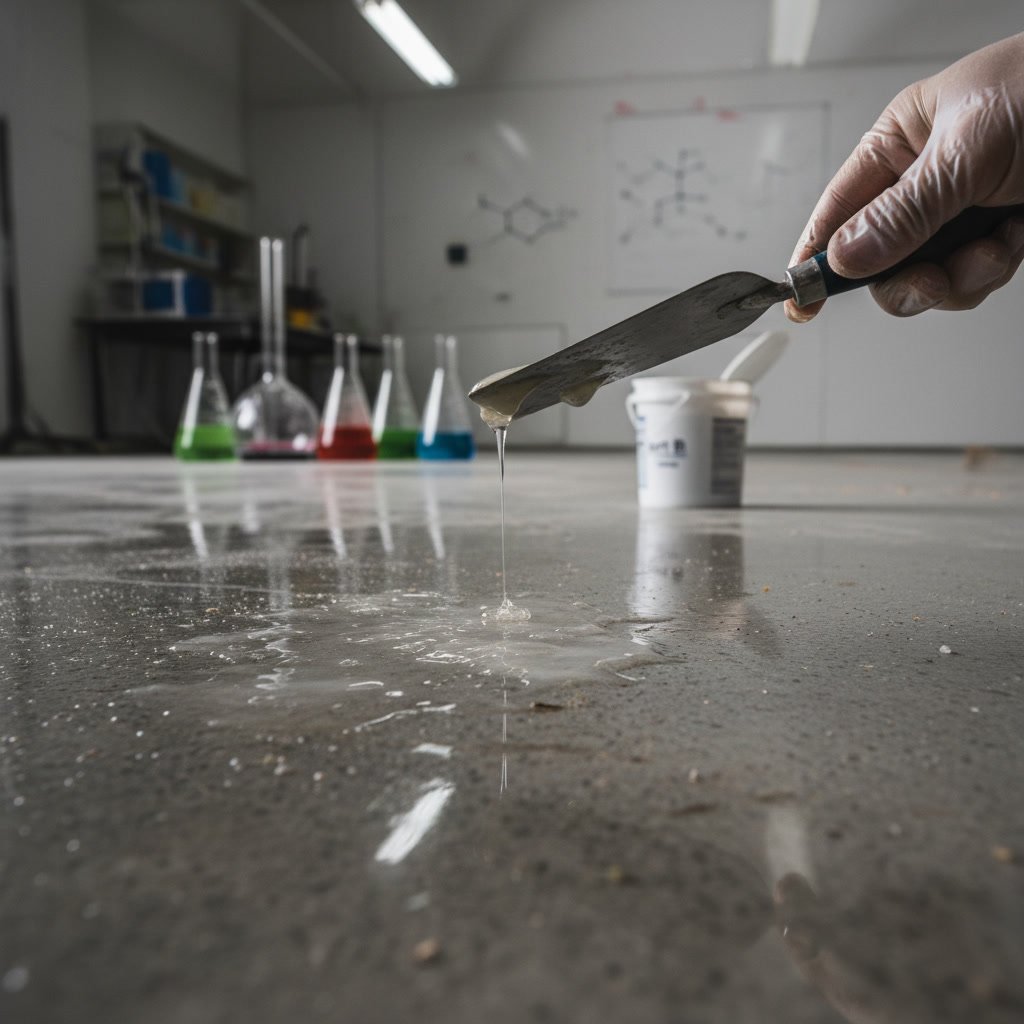
The most common cause of sticky epoxy is improper measuring or mixing. Using separate containers to measure resin and hardener without calibrated measuring tools often leads to ratio errors. Even a small deviation can leave uncured resin or hardener in the mix. Always use graduated containers with clear volume markings, and never estimate by eye.
Inadequate mixing creates localized areas where resin and hardener remain separated. You should mix epoxy components for a minimum of three minutes using a drill attachment or paddle, scraping the sides and bottom of the container at least twice during mixing. Streaks of unmixed material will cure improperly and remain tacky long after the rest of the floor hardens.
Temperature and Humidity Problems During Application
Applying epoxy in cold conditions is a frequent mistake in unheated garages and basements, especially during spring and fall months. Concrete surfaces retain cold temperatures longer than the surrounding air, so even if your garage feels warm, the slab itself may be too cold. Surface temperature below 55 degrees will prevent proper curing regardless of air temperature.
Humidity introduces moisture that competes with the curing reaction. Water molecules can bond with epoxy components before they bond with each other, creating a phenomenon called blushing. This appears as a sticky, cloudy film on the surface. Coastal areas and humid climates require extra vigilance, and you should avoid application during rainy periods or when morning dew is present.
Surface Contamination Before Epoxy Application in Wappingers Homes
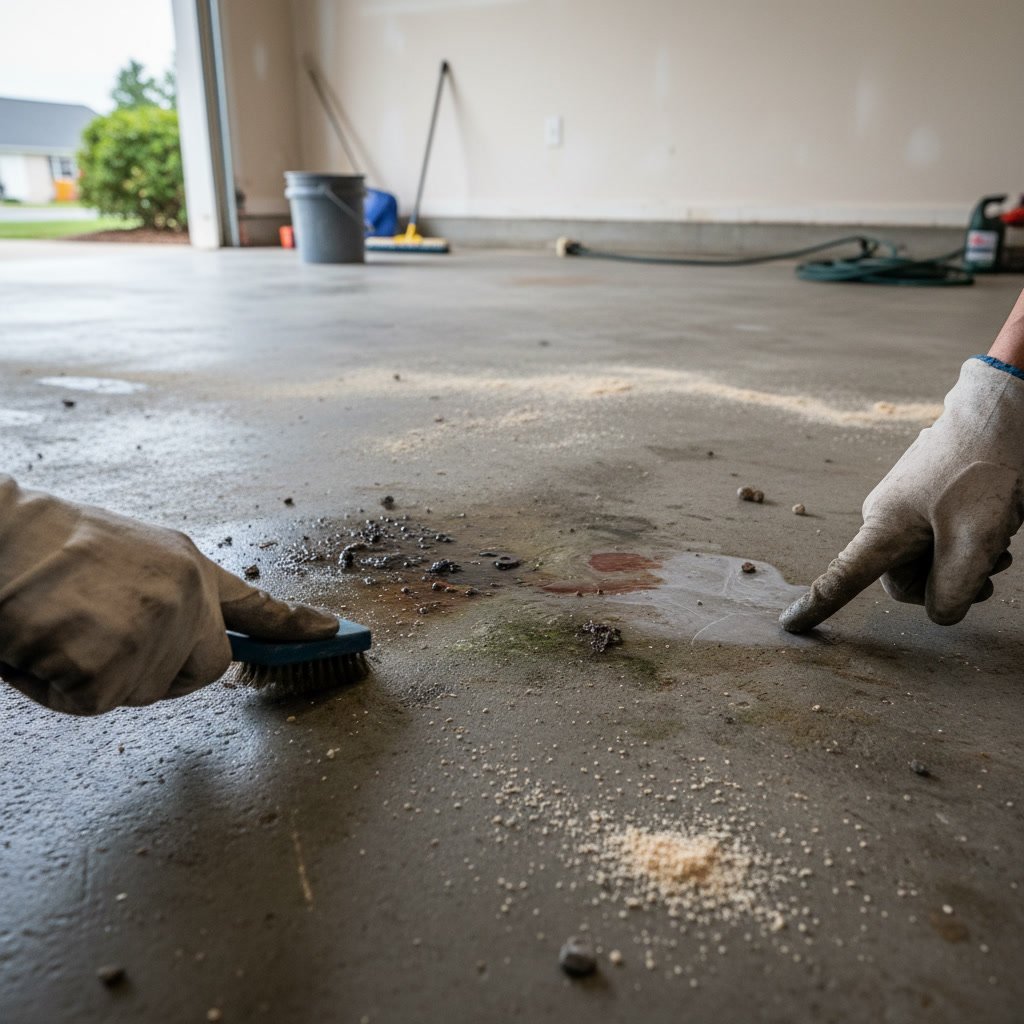
Oil, grease, silicone, and cleaning residues prevent epoxy from bonding properly and can inhibit curing. Even microscopic contamination from car fluids or detergent films creates adhesion problems. The epoxy may appear to cure on top but remains soft underneath or at the interface with the concrete.
Homeowners in Wappingers often discover contamination issues when applying epoxy over garage floors that have housed vehicles for years. Proper surface preparation requires degreasing, acid etching or mechanical grinding, and thorough rinsing. Skipping these steps or using the wrong cleaning products leaves residues that compromise the coating.
Expired or Improperly Stored Epoxy Products
Epoxy components have a shelf life, typically 12 to 24 months when stored in sealed containers at moderate temperatures. Resin and hardener can degrade over time, especially if exposed to temperature extremes or moisture. Degraded components may appear normal but will not cure properly when mixed.
Store epoxy in a climate-controlled space between 60 and 80 degrees. Avoid garages or sheds where temperatures fluctuate widely. If containers have been opened previously, air exposure can begin the curing process prematurely, especially in the hardener. Always check manufacturing dates and follow storage instructions on product labels.
How to Test Whether Your Epoxy Will Fully Cure
If your floor remains tacky 72 hours after application, the coating is unlikely to cure on its own. Perform a thumbnail test by pressing your thumbnail firmly into the surface. Properly cured epoxy will resist indentation. If your nail leaves a mark or the surface feels rubbery, the epoxy has not cured completely.
Check for temperature variations across the floor. Areas near exterior walls or doors may have stayed colder during application, resulting in localized soft spots. Use an infrared thermometer to measure surface temperature in different zones. Identify whether the entire floor is tacky or only specific sections, as this helps determine the appropriate fix.
Step-by-Step Solutions for Sticky Epoxy Floors
For minor tackiness caused by marginal curing conditions, increase temperature and ventilation. Use space heaters to raise ambient temperature to 75 degrees or higher, and run fans to improve air circulation. Monitor the floor over the next 48 to 72 hours. In many cases, this additional heat and airflow will complete the curing reaction.
If tackiness persists after a week, apply a thin seal coat of fresh epoxy mixed at the correct ratio. The new layer can chemically bond with the existing coating and provide a hard top surface. Ensure the substrate is clean and dry, and apply the seal coat when conditions are optimal, between 65 and 80 degrees with humidity below 70 percent.
Severe cases require complete removal. Scrape off the sticky coating using a floor scraper or grinder with a diamond cup wheel. Chemical strippers designed for epoxy can soften the coating for easier removal, but you must thoroughly clean all residue before reapplication. This is labor-intensive work, and many homeowners choose to hire professionals for removal and reapplication to avoid repeating the same mistakes.
When to Sand and Recoat
If only the top surface is tacky but the underlying epoxy has hardened, light sanding with 80-grit sandpaper can remove the sticky layer. Vacuum all dust, wipe the surface with denatured alcohol, and apply a fresh topcoat. This approach works best when tackiness is limited to a thin film rather than the entire coating thickness.
Avoiding Future Problems
Invest in a digital thermometer and hygrometer to monitor conditions before and during application. Do not rely on general weather forecasts. Measure the actual concrete surface temperature and relative humidity at floor level. Keep detailed notes on mix ratios, batch sizes, and environmental conditions so you can replicate successful applications.
Professional Assessment for Persistent Issues
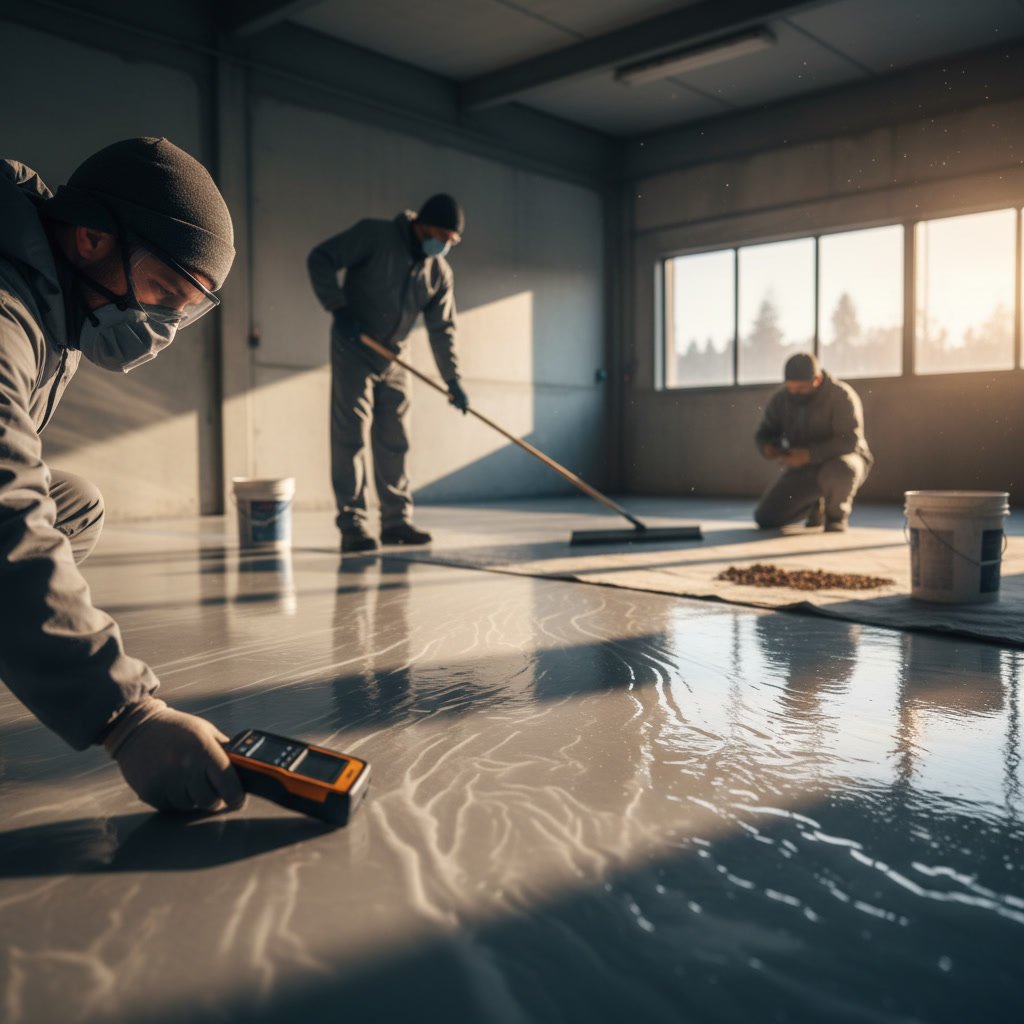
Some epoxy problems stem from underlying concrete issues such as high moisture vapor transmission, alkaline salts, or structural defects. If you have ruled out mixing and environmental errors but still experience curing failures, the concrete itself may be incompatible with epoxy coatings. A moisture vapor test using calcium chloride or a hygrometer probe can identify excessive moisture emissions from the slab.
Efflorescence, the white crystalline deposits that appear on concrete, indicates water moving through the slab and carrying dissolved salts to the surface. Epoxy applied over active efflorescence will not bond properly and may remain soft. Professional contractors use moisture meters and conduct adhesion tests before applying coatings to concrete with questionable conditions. This level of diagnostic work often justifies hiring experienced installers rather than attempting repeated DIY fixes.
Comparing DIY Fixes Versus Professional Remediation
Simple fixes like increasing temperature or applying a seal coat are manageable for most homeowners with basic tools. These solutions cost under $100 in materials and can resolve minor tackiness within a few days. You maintain control over timing and can work at your own pace.
Complete removal and reapplication requires specialized equipment such as concrete grinders, industrial vacuums, and proper ventilation. Rental costs for a diamond grinder start around $150 per day, and the physical labor is demanding. Professional remediation by experienced contractors ensures proper surface preparation, correct mixing, and optimal application conditions. While this costs more upfront, it eliminates the risk of repeated failures and provides a warranty on the finished work.
JJv2 Interior House Painter Dutchess County LLC has resolved dozens of failed epoxy applications throughout Dutchess County, often after homeowners have attempted multiple DIY fixes. The difference between a successful epoxy floor and a sticky mess usually comes down to meticulous preparation and environmental control, areas where professional experience provides significant value.
Protecting Your Investment After Successful Curing
Once your epoxy floor has cured properly and achieved full hardness, maintain it with regular sweeping and damp mopping using pH-neutral cleaners. Avoid ammonia-based or acidic cleaners that can dull the finish over time. Place walk-off mats at entry points to reduce tracked-in dirt and grit that can scratch the surface.
Epoxy floors in garages benefit from periodic reapplication of a clear topcoat every three to five years, depending on traffic and use. This protective layer absorbs wear and UV exposure, preserving the underlying epoxy. Addressing small chips or scratches promptly prevents moisture intrusion and extends the overall lifespan of the coating. Similar attention to detail applies to other residential painting services, where proper surface prep and quality materials make all the difference in longevity.
Getting Professional Help for a Durable Floor Finish
Sticky epoxy floors are frustrating, but understanding the causes helps you choose the right fix. Whether you increase curing temperature, apply a seal coat, or remove and reapply the coating, success depends on controlling environmental factors and following manufacturer guidelines precisely. Learning from the initial mistake prevents repetition and builds confidence for future projects.
If you are dealing with a sticky epoxy floor that won’t cure or prefer professional installation from the start, JJv2 Interior House Painter Dutchess County LLC provides expert epoxy floor coating services backed by more than 20 years of hands-on experience. Richard Rivera and his team ensure proper surface preparation, accurate mixing, and optimal curing conditions for every project. Reach out at +1 (845) 379-3306 to discuss your flooring needs and schedule a consultation.