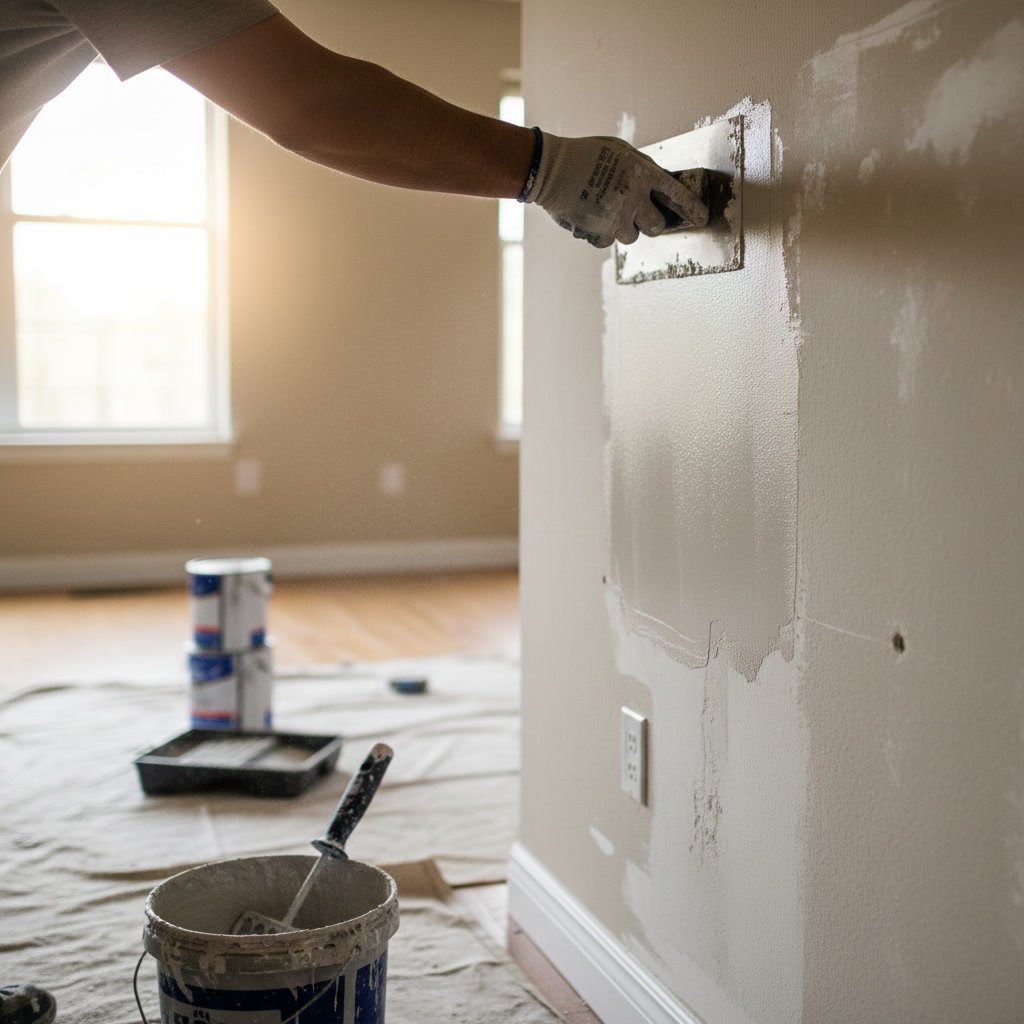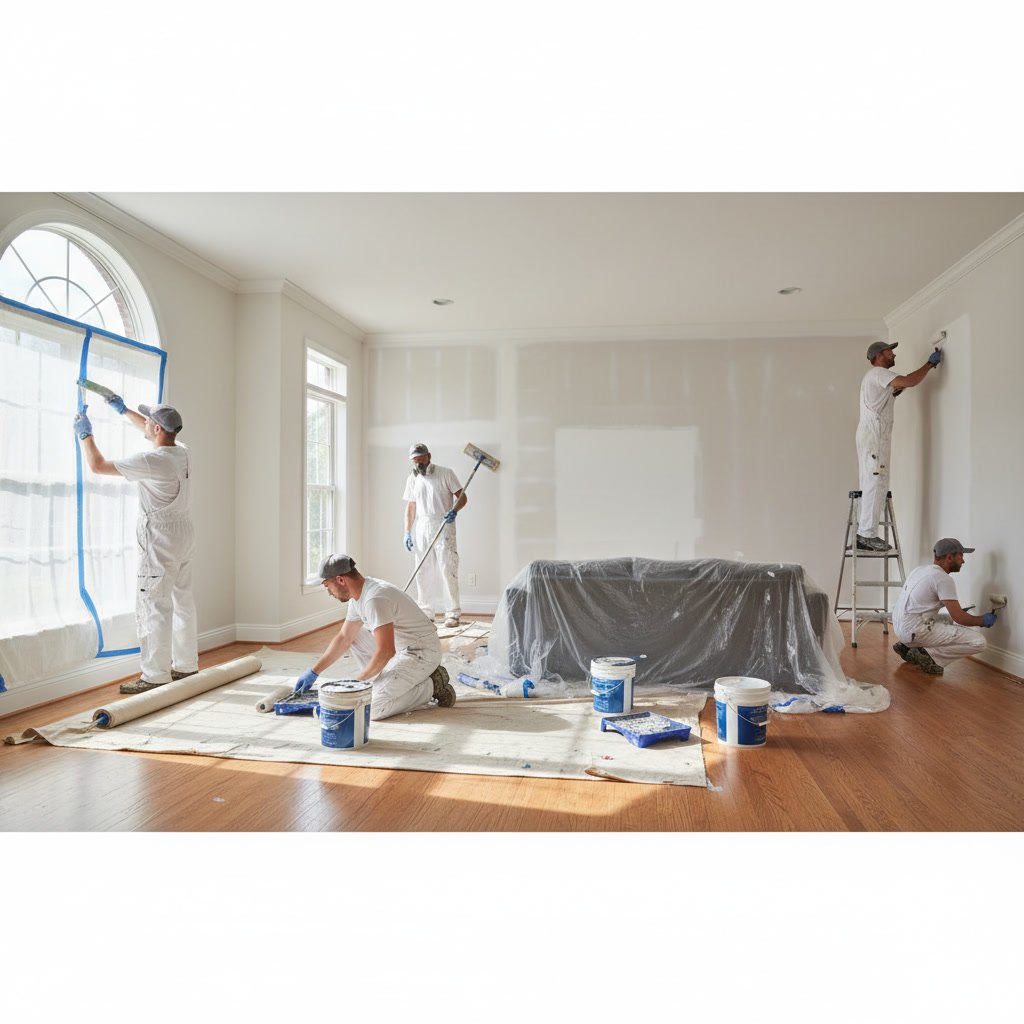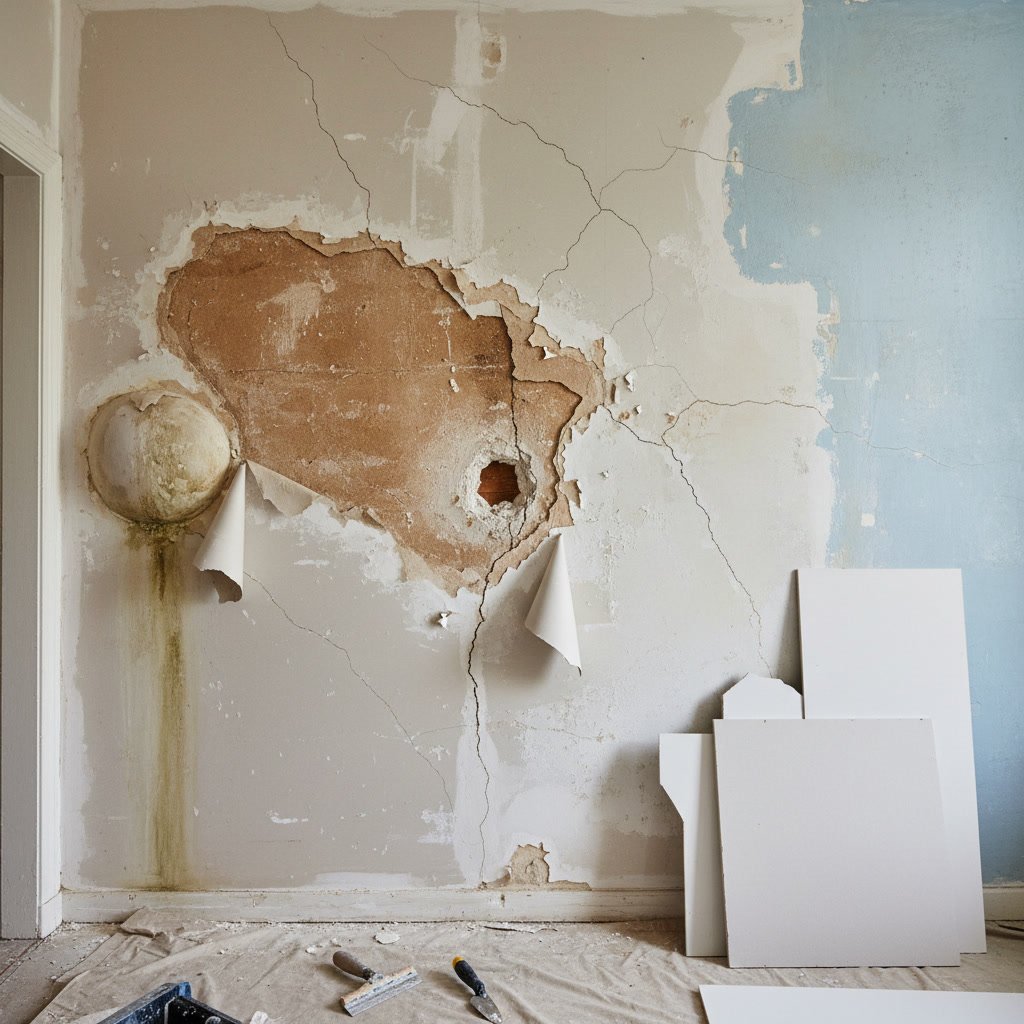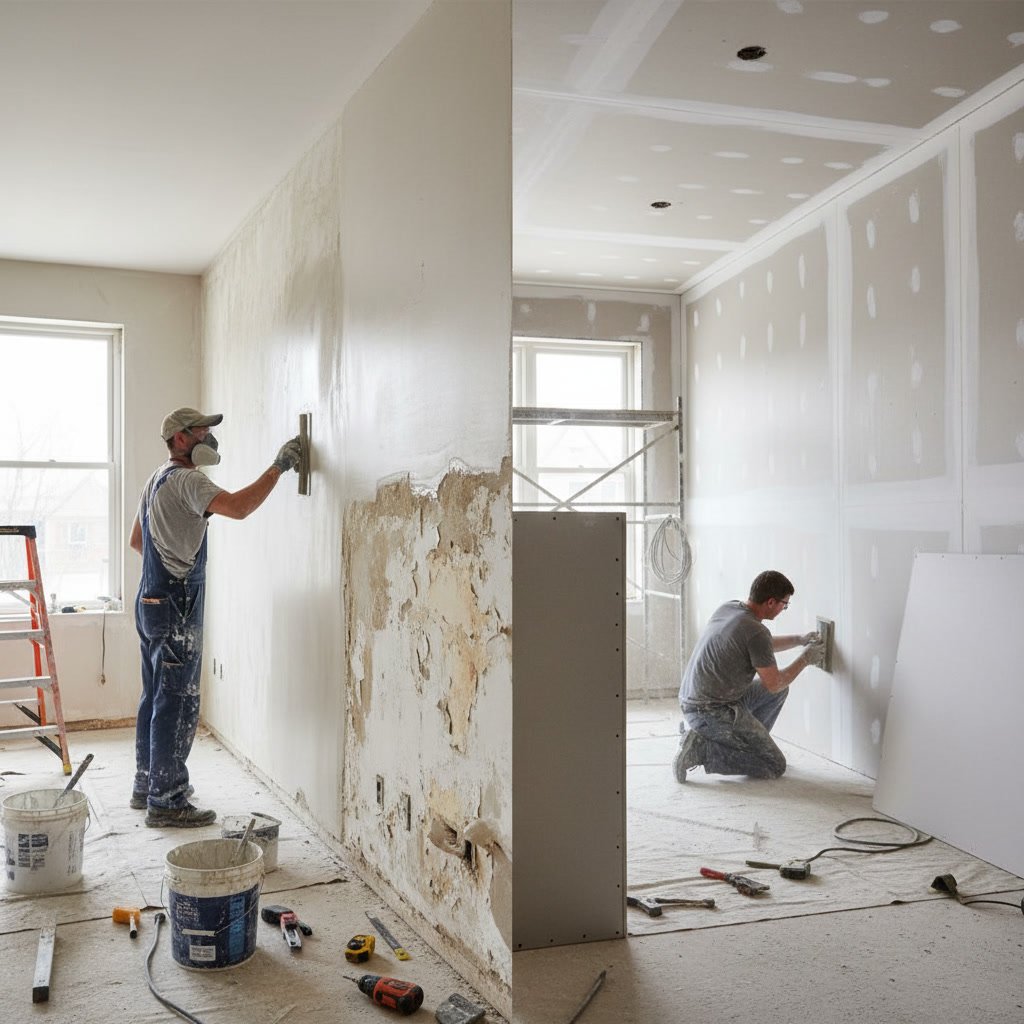
Water stains spreading across your ceiling. A musty smell that won’t go away. Warped baseboards in the corner of your bedroom. These signs might seem minor at first, but they often point to a much bigger problem lurking behind your walls or beneath your floors. Knowing when water damage requires professional restoration rather than a simple cleanup can save you thousands of dollars and protect your family’s health. In Poughkeepsie and throughout Dutchess County, homes face water intrusion from burst pipes, roof leaks, foundation seepage, and flooding, and understanding the severity of damage is the first step toward proper recovery.
This guide walks you through the specific warning signs that indicate you need water damage professional restoration, the hidden dangers of untreated moisture, and what to expect when you bring in experts to assess and repair your home.
Understanding the Different Categories of Water Damage
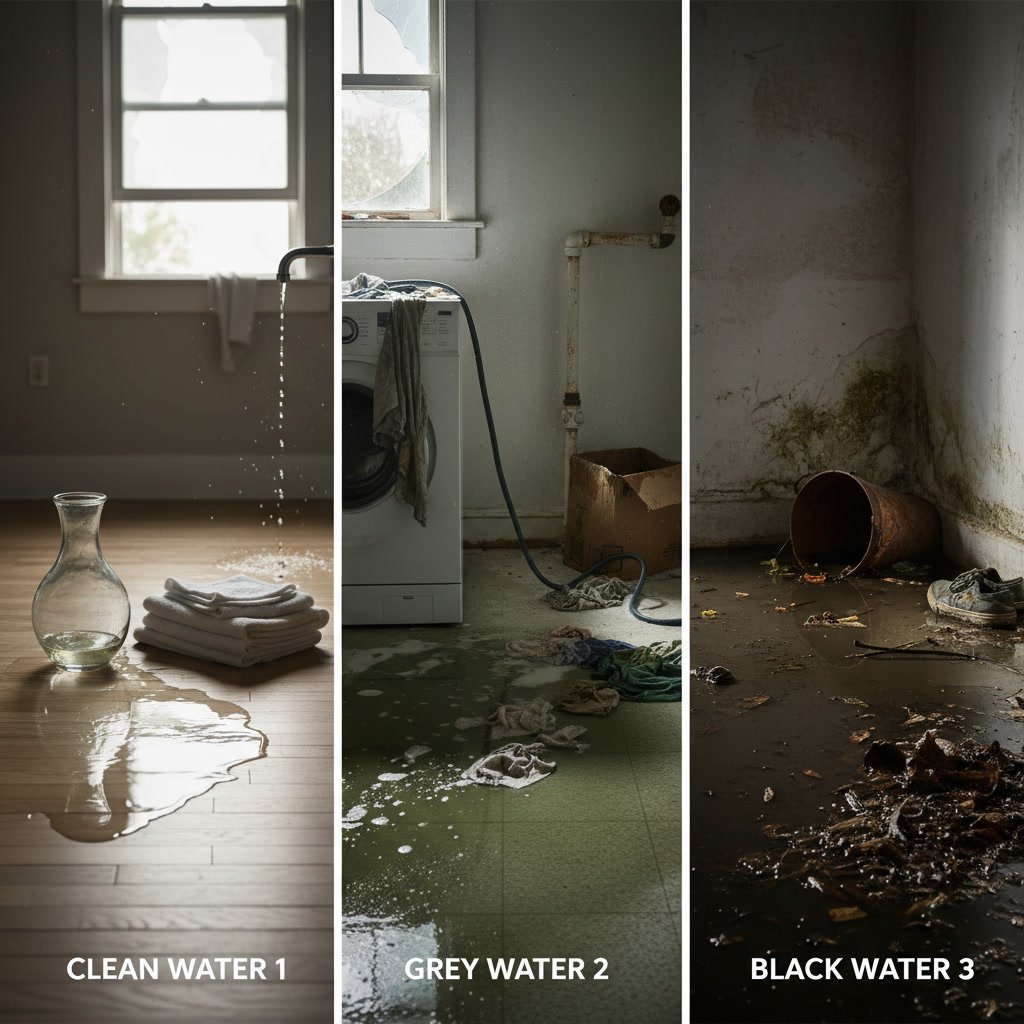
Not all water damage is created equal. Restoration professionals classify water intrusion into three categories based on contamination level, and this classification directly affects whether you can safely handle cleanup yourself.
Category 1 water, often called clean water, comes from sources like broken supply lines, sink overflows, or rainwater that hasn’t mixed with contaminants. This type poses the least immediate health risk, but it can quickly degrade to Category 2 if left standing for more than 48 hours.
Category 2 water, or gray water, contains some level of contamination and might include discharge from washing machines, dishwashers, or toilet bowls with urine but no feces. This water can cause discomfort or illness if ingested and requires more careful handling than clean water.
Category 3 water, known as black water, is grossly contaminated and may contain sewage, pesticides, heavy metals, or toxic organic substances. This category includes flooding from rivers or streams, toilet backflows with feces, and any standing water that has supported microbial growth. Black water always requires professional intervention.
If you’re dealing with anything beyond a small amount of Category 1 water, Water Damage Restoration Services should be your first call.
Key Warning Signs That Indicate Professional Help Is Necessary
Several clear indicators tell you that water damage has progressed beyond DIY cleanup capabilities. Recognizing these signs early can prevent structural damage and health hazards.
The Extent and Location of Damage
If water has affected more than 10 square feet of your home, or if it has penetrated walls, subfloors, or ceilings, you’re looking at a situation that demands professional assessment. Water travels along hidden pathways through your home’s structure, and what appears as a small stain on the surface often represents extensive saturation behind it.
Water intrusion in HVAC systems, electrical panels, or insulation always requires professional attention regardless of the amount. These systems create unique safety hazards when wet and can distribute contamination throughout your home if not properly remediated.
Persistent Moisture After 24 Hours
Materials that remain wet for more than 24 hours begin growing mold, and different surfaces absorb water at different rates. Drywall, insulation, and wooden framing hold moisture much longer than tile or concrete surfaces. If you’ve mopped up visible water but surfaces still feel damp or cold to the touch after a full day, moisture has penetrated deeper than surface cleaning can address.
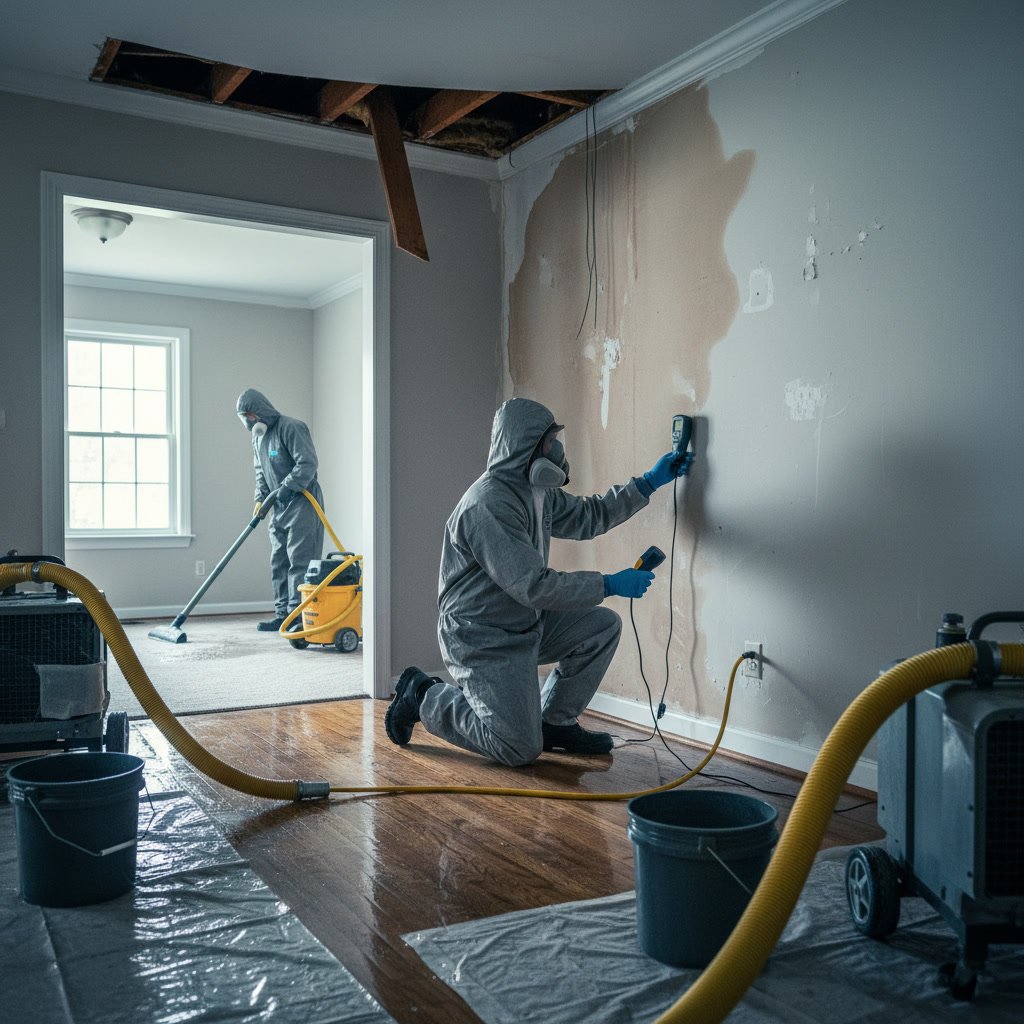
Professional restoration teams use moisture meters and thermal imaging cameras to detect hidden water in cavities and structural materials. These tools identify problem areas that aren’t visible to the naked eye, ensuring complete drying and preventing future mold growth.
Visible Mold Growth or Musty Odors
Mold spores exist everywhere, but they only colonize and grow when they find moisture and organic material. If you see mold patches larger than 10 square feet, or if musty smells persist despite cleaning, you have an established colony that has spread into porous materials.
Mold remediation requires containment protocols, proper PPE, HEPA filtration, and specific antimicrobial treatments. Attempting to clean extensive mold yourself can release millions of spores into your home’s air, spreading the problem and creating respiratory hazards for your family.
Structural Changes or Material Deformation
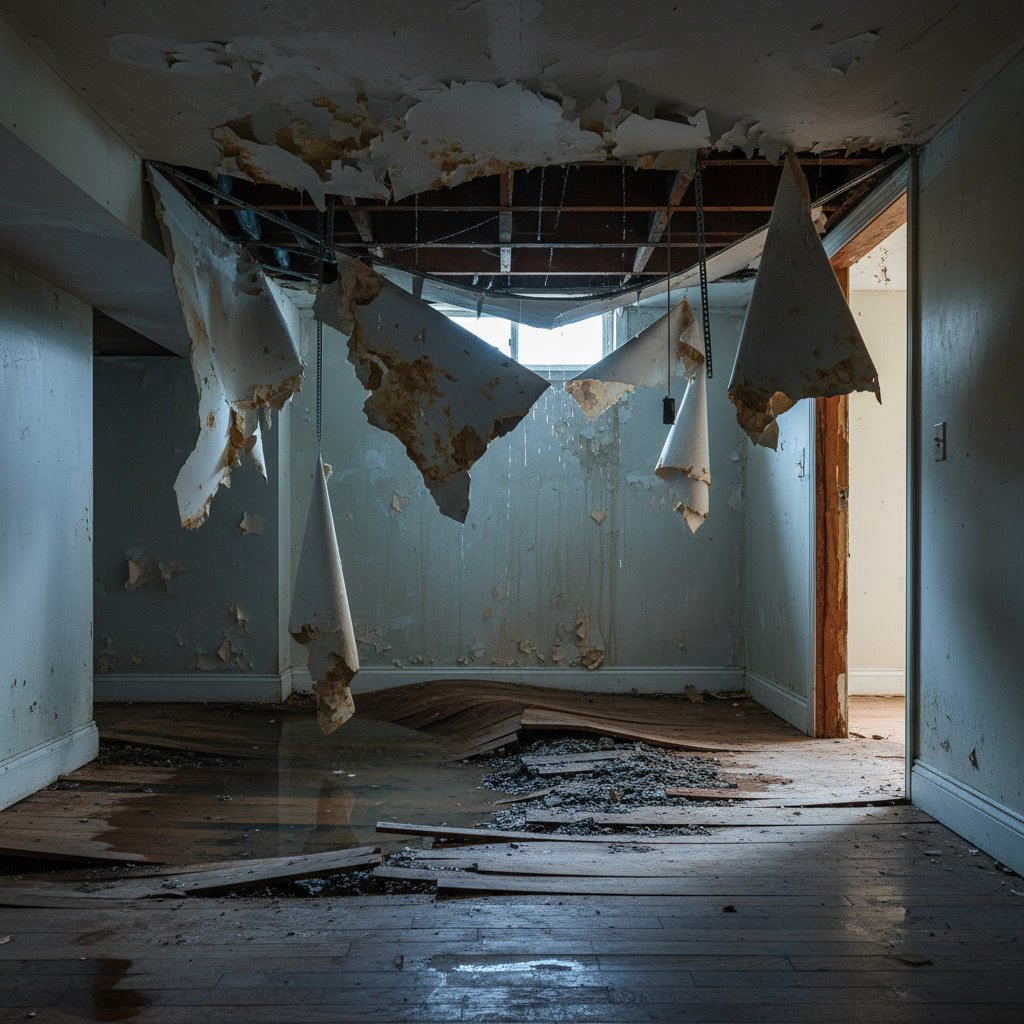
Warped floors, sagging ceilings, bulging walls, or peeling paint indicate that water has compromised structural integrity. Wood expands when wet and may not return to its original shape even after drying. Drywall loses strength when saturated and may need complete replacement rather than drying and painting.
These structural changes signal that damage has been present long enough to affect load-bearing or finish materials. Professional assessment determines which materials can be salvaged and which require replacement, and experts often coordinate with Drywall Installation specialists to restore damaged walls and ceilings properly.
Hidden Dangers That Only Professionals Can Properly Address
Beyond what you can see and smell, water damage creates several invisible hazards that require specialized equipment and expertise to identify and remediate.
Electrical System Contamination
Water and electricity create a deadly combination. Even after visible water has dried, moisture in electrical boxes, outlets, or wiring insulation poses electrocution and fire risks. Professional water damage technicians coordinate with licensed electricians to test systems before restoration work begins.
Corrosion from water exposure develops over time, sometimes causing electrical failures weeks or months after the initial incident. Proper documentation and testing during professional restoration protect you from these delayed hazards.
Compromised Indoor Air Quality
Wet building materials release volatile organic compounds as they break down, and standing water creates ideal conditions for bacteria and mold to release mycotoxins into your breathing air. Professional restoration includes air quality testing and negative air pressure systems that prevent contaminated air from spreading to unaffected areas during cleanup.
Children, elderly family members, and anyone with respiratory conditions face heightened risks from compromised air quality. Professional-grade air scrubbers with HEPA filters capture particles as small as 0.3 microns, removing spores and allergens that household fans and dehumidifiers miss.
Foundation and Structural Integrity Issues
Water that reaches your home’s foundation can undermine soil support, create hydrostatic pressure against basement walls, or saturate wooden structural members. These problems aren’t always immediately visible but can lead to settling, cracking, or even partial collapse if left unaddressed.
Restoration professionals assess not just the visible damage but also the underlying structural systems that keep your home safe and level. In areas like Fishkill, NY and Beacon, NY, where older homes have stone foundations and crawl spaces, professional evaluation prevents small water problems from becoming major structural failures.
The Professional Restoration Process Explained
Understanding what happens during professional water damage restoration helps you know what to expect and why DIY approaches fall short for serious incidents.
The first step is always inspection and damage assessment. Certified technicians document the extent of damage using moisture meters, infrared cameras, and visual inspection. They identify the water source, classify the contamination category, and determine which materials can be saved versus which require removal.
Water extraction follows immediately. Industrial submersible pumps and truck-mounted vacuum units remove standing water far more quickly and completely than shop vacuums or household equipment. Speed matters because every hour of standing water increases damage severity and restoration costs.
After extraction, the drying and dehumidification phase begins. Professional air movers create airflow patterns that target trapped moisture in cavities and materials, while commercial dehumidifiers remove moisture from the air. This phase typically runs 24 hours a day for three to five days, with daily moisture readings confirming progress.
Cleaning and sanitizing affected areas prevents microbial growth and removes contaminants. Different surfaces require different approaches, antimicrobial treatments for porous materials, HEPA vacuuming for particles, and specialized cleaners for various surfaces.
Finally, restoration work returns your home to its pre-damage condition. This might include minor repairs like replacing baseboards and Residential Painting Services, or major reconstruction involving drywall replacement, flooring installation, and complete interior refinishing.
Pro Tip: Document everything with photos and detailed notes before professionals arrive. Insurance companies require evidence of damage and mitigation efforts, and thorough documentation strengthens your claim and prevents disputes about the scope of work.
When DIY Cleanup Is Appropriate and When It’s Not
Small water incidents sometimes allow for homeowner cleanup, but you need to understand the limitations and risks before deciding to handle restoration yourself.
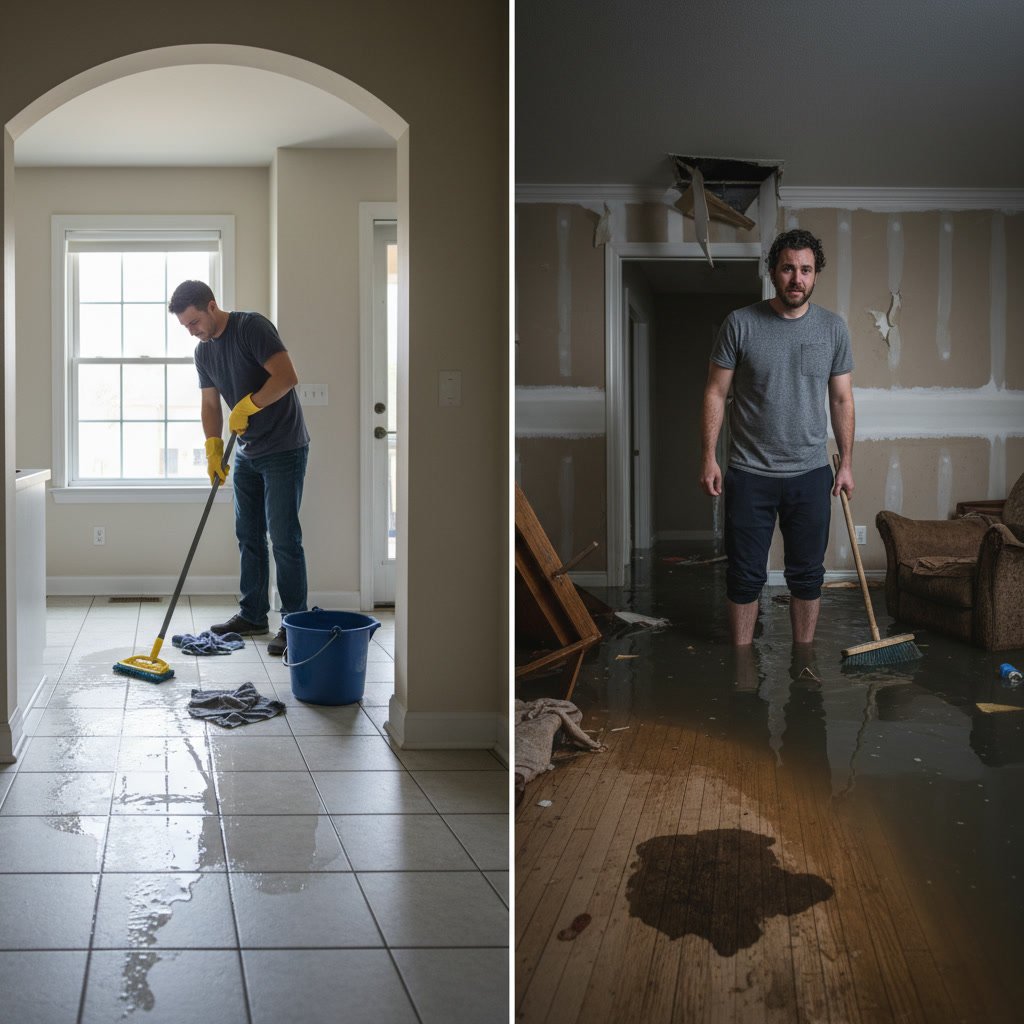
You can reasonably attempt DIY cleanup when the affected area is less than 10 square feet, the water is clean (Category 1), you can identify and stop the source immediately, and you can dry all materials completely within 24 to 48 hours using household equipment.
Even in these limited scenarios, you must monitor for signs that the situation is worsening. If you notice new moisture areas appearing, can’t achieve complete drying within two days, detect any musty odors, or see any discoloration on walls or ceilings, stop DIY efforts and call professionals.
You should never attempt DIY restoration when dealing with sewage or contaminated water, water that has affected electrical systems, moisture in walls or subfloors, any amount of visible mold, or situations where the water source is unknown or ongoing.
The cost difference between early professional intervention and delayed action after failed DIY attempts is substantial. Mold remediation alone can cost $1,500 to $3,500 for a typical residential job, while early professional drying might cost $800 to $1,200 and prevent mold entirely.
Insurance Considerations for Water Damage Claims
Understanding how insurance treats water damage helps you make informed decisions about professional restoration and protect your financial interests.
Most homeowners insurance policies cover sudden and accidental water damage, such as burst pipes, appliance malfunctions, or storm damage. They typically exclude damage from flooding (which requires separate flood insurance), gradual leaks, or lack of maintenance.
Professional restoration companies document damage in formats that insurance adjusters recognize and accept. They provide moisture readings, photo documentation, detailed scope-of-work reports, and industry-standard pricing that helps your claim process move smoothly.
Many restoration companies work directly with insurance companies, even coordinating payment so you only cover your deductible. This service removes much of the stress from the claims process and ensures that all necessary work gets approved and completed.
Delaying professional help can jeopardize your coverage. Insurance companies expect homeowners to mitigate damage promptly. If you wait several days before calling professionals, and mold develops during that delay, the insurer might deny coverage for mold remediation by arguing it resulted from your failure to act quickly.
How Poughkeepsie’s Climate Affects Water Damage Risks
The Hudson Valley’s climate creates specific water intrusion risks that homeowners throughout Dutchess County should understand.
Freeze-thaw cycles during winter commonly cause pipe bursts when water inside pipes expands as it freezes, then thaws and floods homes. Homes in Lagrangeville, NY and surrounding communities experience these temperature swings frequently from December through March.
Spring rainfall and snowmelt saturate soil around foundations, creating hydrostatic pressure that can force water through cracks and seams in basement walls. Poor drainage, clogged gutters, and improper grading compound these seasonal risks.
Summer humidity in Poughkeepsie regularly exceeds 70 percent, creating conditions where even minor moisture intrusion struggles to dry naturally. Materials that might air-dry successfully in arid climates retain moisture here, accelerating mold growth and material degradation.
Understanding these local patterns helps you recognize when professional equipment is necessary. Industrial dehumidifiers, air movers, and heated drying systems overcome the natural humidity that prevents adequate drying using household fans and open windows.
Choosing the Right Water Damage Restoration Company
When you need water damage professional restoration, selecting a qualified company makes the difference between proper remediation and ongoing problems.
Look for companies with IICRC certification (Institute of Inspection, Cleaning and Restoration Certification), which indicates technicians have received proper training in water damage restoration, mold remediation, and applied structural drying. This certification ensures they follow industry best practices and understand the science behind moisture control.
Verify that the company carries proper insurance, including general liability and workers compensation. Water damage restoration involves significant risks, and you need protection if someone gets injured on your property or if restoration work causes additional damage.
Ask about response time. Water damage worsens by the hour, and companies that offer 24/7 emergency response demonstrate their commitment to minimizing your damage. A company that can’t arrive within a few hours may not be equipped to handle urgent situations.
Request references from recent projects similar to yours and ask specifically about communication, timeliness, and whether the final results met expectations. Restoration work disrupts your home for days or weeks, so working with a respectful, communicative team matters as much as technical competence.
Key Takeaway: The window for preventing permanent damage and mold growth is typically 24 to 48 hours after water intrusion. Professional restoration teams have the equipment and expertise to meet this deadline, while DIY efforts rarely achieve complete drying within this critical timeframe.
Frequently Asked Questions
How much does professional water damage restoration typically cost?
Costs vary widely based on damage extent, water category, and required repairs, but typical residential restoration ranges from $1,200 to $5,000. Minor cleanup for a small area with Category 1 water might cost $800 to $1,500, while extensive Category 3 contamination requiring demolition and reconstruction can exceed $10,000. Most homeowners insurance policies cover restoration costs minus your deductible when damage results from covered perils.
Can I stay in my home during water damage restoration?
For minor damage confined to one room, you can usually remain in your home during restoration, though noise from air movers and dehumidifiers running 24/7 can be disruptive. Extensive damage involving multiple rooms, Category 3 water, or significant mold growth often requires temporary relocation for your safety and to allow proper containment and drying. Your restoration company will assess your specific situation and provide recommendations.
How long does the water damage restoration process take?
Drying typically takes three to five days, depending on the extent of saturation and the materials affected. Complete restoration including repairs might take one to two weeks for moderate damage, or several weeks for extensive reconstruction. High humidity, cold temperatures, or dense materials like hardwood floors and plaster extend drying time, while professional equipment and favorable conditions can accelerate the process.
Will my homeowners insurance cover water damage restoration?
Coverage depends on the water source and your specific policy. Sudden and accidental damage from burst pipes, appliance failures, or storm damage is typically covered under standard homeowners insurance. Gradual damage from slow leaks, lack of maintenance, or ground flooding usually isn’t covered without separate flood insurance. Review your policy and contact your insurance agent immediately when damage occurs to understand your coverage and start the claims process.
What should I do immediately after discovering water damage?
First, stop the water source if possible by shutting off the main water valve, turning off the relevant fixture, or covering a roof leak. Then remove valuables and furniture from the affected area, but avoid entering standing water if electrical outlets or appliances might be submerged. Document everything with photos and videos, then contact a professional restoration company and your insurance provider as quickly as possible.
Getting Expert Help When You Need It
Water damage rarely improves on its own. What starts as a small ceiling stain or damp carpet can transform into a health hazard and structural problem within days if not addressed properly. Recognizing when damage exceeds DIY capabilities and requires water damage professional restoration protects your home’s value, your family’s health, and your peace of mind.
JJv2 Interior House Painter Dutchess County LLC provides comprehensive water damage restoration services throughout Poughkeepsie and surrounding communities. With over 20 years of experience, our team understands how water affects different building materials and systems, and we coordinate complete restoration from initial drying through final painting and finishing. If you’re dealing with water damage in your home and need expert assessment and restoration, call us at +18459578006 or visit our Contact page to schedule an inspection.