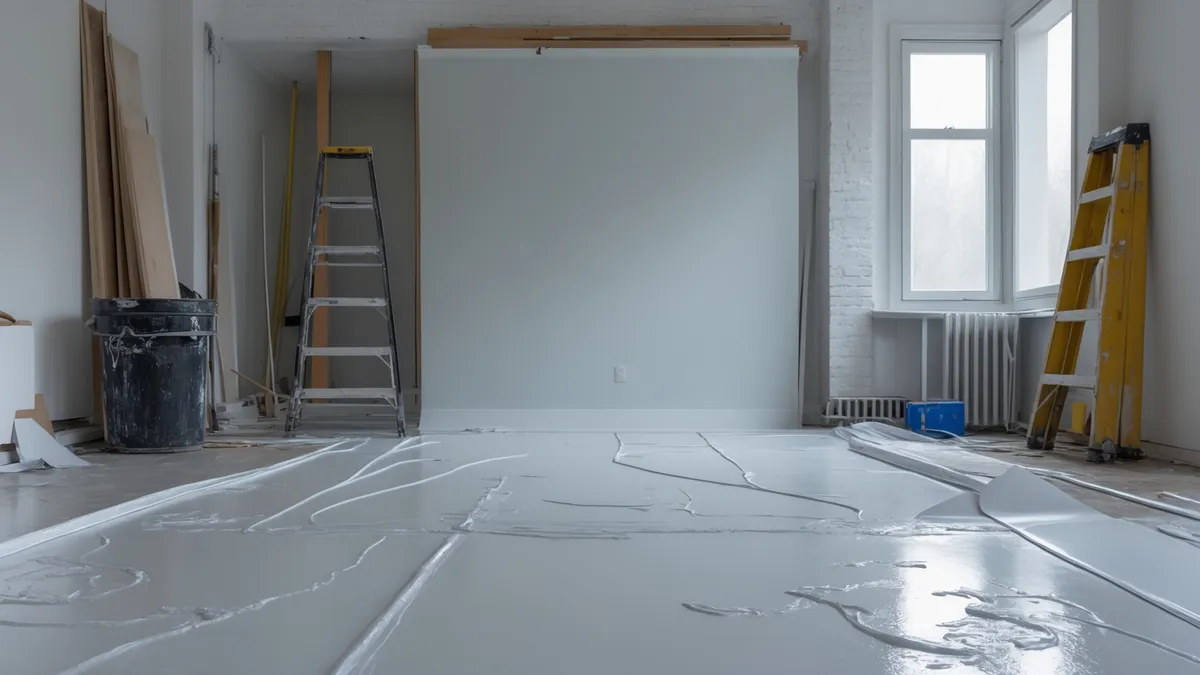
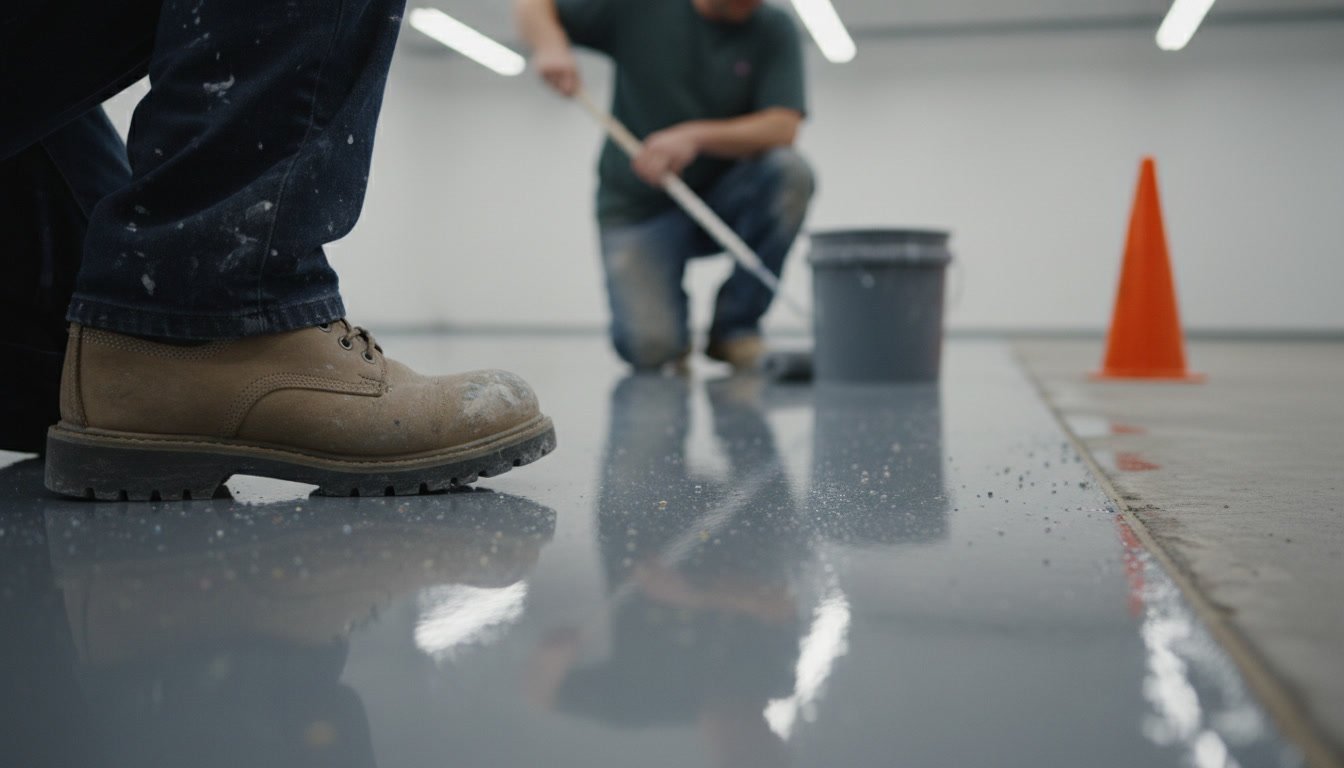
Newly applied epoxy floor coating requires specific cure times before foot traffic is safe. Most epoxy systems allow light foot traffic after 24 to 48 hours, but full cure and maximum hardness take seven days or longer. Understanding the difference between dry-to-touch, walkable, and fully cured stages helps you protect your investment and avoid costly damage to the finish.
Timing is critical when planning your move back into a garage, basement, or workspace. Rushing the process leaves surface marks, dulls the finish, and can compromise the coating’s bond to the concrete beneath.
Why Cure Time Matters for Epoxy Floor Coatings
Epoxy floor coatings undergo a chemical reaction called cross-linking. The resin and hardener combine to form a rigid, durable plastic layer that bonds to your concrete. This reaction happens in stages, and each stage has different strength levels.
If you walk on epoxy floor coating too early, shoes can leave permanent impressions, scuff marks, or dull spots. Dirt and debris tracked onto a surface that hasn’t fully hardened can embed into the finish, creating rough patches that are difficult or impossible to remove.
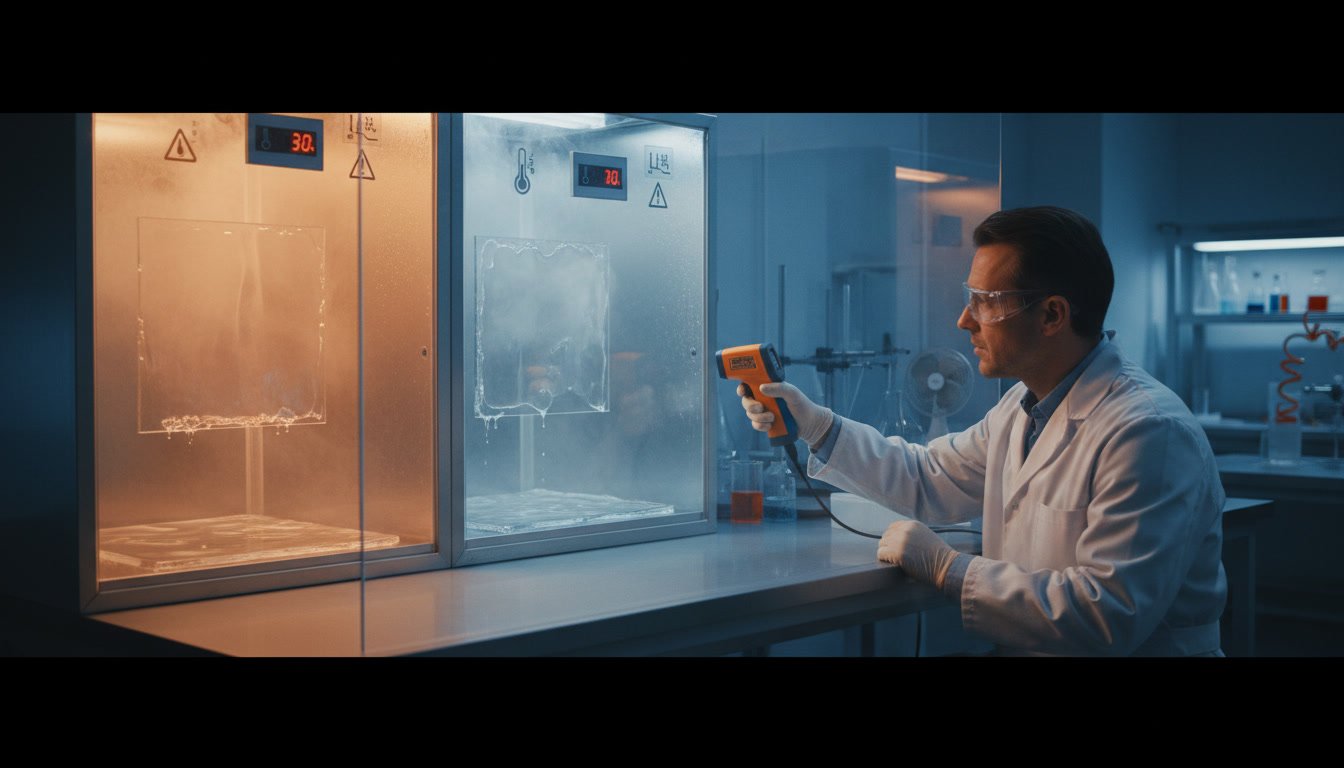
Temperature and humidity directly affect cure speed. Warmer conditions accelerate curing, while cold or damp environments slow the process significantly. A 70-degree basement in summer may be ready in 24 hours, but the same product applied in a 50-degree garage in winter could need 72 hours or more before foot traffic is safe.

Standard Cure Times for Residential Epoxy Floors
Most residential epoxy systems follow a general timeline. Dry to the touch typically occurs within six to eight hours. Light foot traffic is usually safe after 24 hours under ideal conditions. Full cure, when the floor reaches maximum hardness and chemical resistance, takes seven to 10 days.
Product formulations vary. Some fast-cure epoxies designed for commercial use allow foot traffic in as little as 12 hours, but these products often have different application requirements and shorter working times. Standard two-part epoxy systems used in home garages and basements follow the 24-hour rule for walking and seven-day rule for heavy use.
Professional installers who offer epoxy floor painting services account for these variables and provide specific guidance based on the product used and the conditions during application.
Light Foot Traffic vs Heavy Use in Wappingers Homes
Light foot traffic means walking carefully in clean socks or soft-soled shoes. No dragging furniture, no standing ladders, and no dropping tools. This level of use is generally safe after 24 hours if the coating was applied under optimal conditions.
Heavy use includes moving appliances, parking vehicles, or placing storage racks with significant weight. These activities require full cure, which means waiting the full seven to 10 days. Placing a car on an epoxy floor before it’s fully cured can leave tire marks that never come out.
Homeowners in Wappingers and surrounding areas often schedule epoxy projects during vacations or long weekends to allow adequate cure time without disrupting daily routines. Planning ahead avoids the temptation to use the space too soon.
Temperature and Humidity Impact on Curing Speed
Epoxy cures fastest between 70 and 85 degrees Fahrenheit. Below 60 degrees, the chemical reaction slows considerably, sometimes doubling or tripling the time needed before the floor is walkable. Above 90 degrees, the epoxy may cure too quickly, reducing working time and potentially causing application defects.
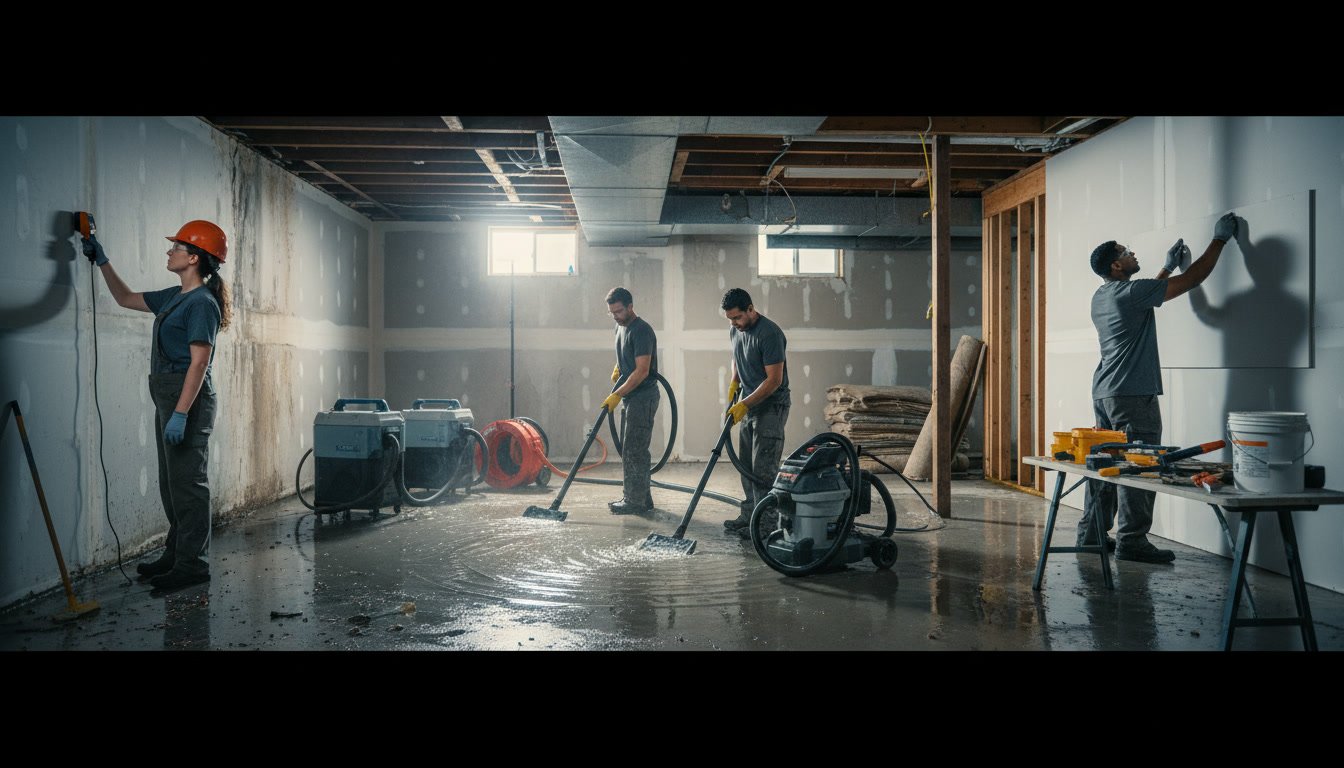
High humidity also extends cure time. Moisture in the air can interfere with the cross-linking process, leaving the surface softer for longer periods. Basements with poor ventilation or concrete that hasn’t fully dried from recent water damage restoration services present additional challenges.
Using a dehumidifier and maintaining stable temperatures during the cure period improves results. Professionals monitor ambient conditions and adjust project schedules accordingly.
What Happens If You Walk on Epoxy Too Soon
Walking on uncured epoxy leaves visible footprints, especially if shoes are dirty or have aggressive tread patterns. These marks become permanent once the coating fully hardens. Scuff marks from shoe soles can dull the glossy finish, creating uneven sheen across the floor.
More serious damage occurs when weight compresses the coating before it has achieved structural integrity. This can cause delamination, where the epoxy separates from the concrete in small areas. Once delamination begins, moisture can penetrate beneath the coating, leading to larger failures over time.
Some homeowners attempt to sand or buff out early-traffic damage, but this rarely restores the original finish quality. In most cases, the affected area needs to be stripped and recoated, adding cost and delay to the project.
Step-by-Step Timeline for Epoxy Floor Use
Hour zero to six: the coating is wet and actively off-gassing. The floor is completely off-limits, and proper ventilation is essential. Avoid entering the space except to monitor application quality.
Six to 24 hours: the surface is dry to the touch but still soft underneath. No foot traffic. The floor may appear ready, but the coating has not developed enough strength to support weight without damage.
24 to 48 hours: light foot traffic is safe under ideal conditions. Walk carefully in clean, soft-soled footwear. Avoid dragging anything across the surface. Do not move furniture or place heavy objects.
48 to 72 hours: the coating is significantly harder and can tolerate normal walking and light household activity. Still avoid heavy loads and wheeled traffic.
Seven to 10 days: full cure is complete. The floor is ready for vehicles, heavy furniture, and normal use. Chemical resistance is at maximum, and the coating has reached its final hardness.
Product-Specific Variations and Manufacturer Guidelines
Every epoxy product has unique formulation characteristics. Some systems include accelerators that shorten cure time, while others are designed for maximum hardness and require longer waiting periods. Always follow the manufacturer’s specific instructions included with the product.
Decorative epoxy systems with flakes or metallic pigments may have different cure schedules than clear or solid-color coatings. The topcoat layer, often a polyurethane or polyaspartic sealer, adds another variable. Some topcoats cure faster than the base epoxy, while others require additional time.
Professional installers use products they have tested extensively and know how to adjust for local climate conditions. Homeowners attempting DIY projects should contact the manufacturer directly if the provided instructions are unclear or if job-site conditions differ from the standard parameters.
How to Test If Your Epoxy Floor Is Ready
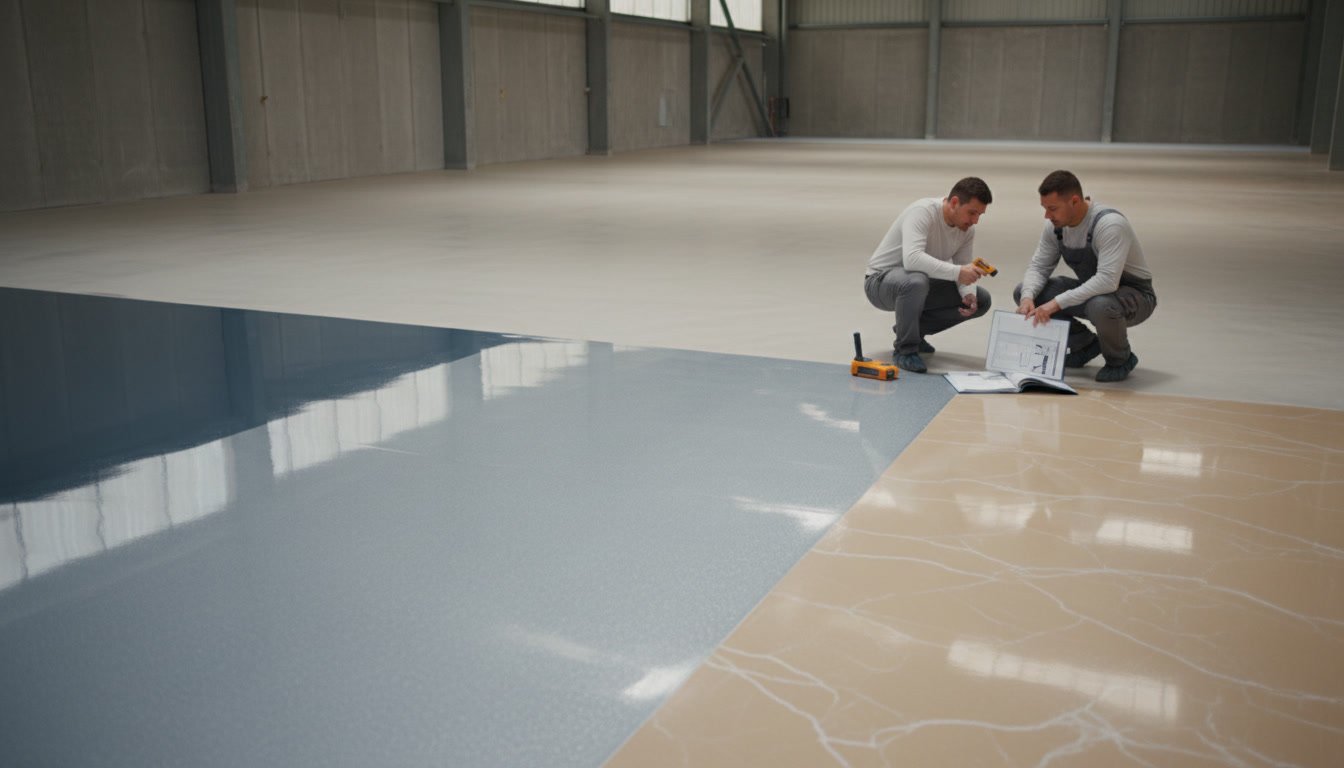
A simple thumbnail test helps determine readiness. Press your thumbnail firmly into an inconspicuous area. If it leaves an impression, the coating is still too soft for foot traffic. If the surface resists marking, light walking is likely safe.
Another method is the tape test. Apply a small piece of painter’s tape to the surface and pull it off quickly. If any epoxy lifts or the surface feels tacky, wait longer. A fully set coating will not react to tape removal.
Professional applicators sometimes use hardness testers or shore durometers to measure cure progress objectively, but these tools are rarely necessary for residential projects. Patience and adherence to the recommended timeline are more reliable.
Common Mistakes That Extend Cure Time
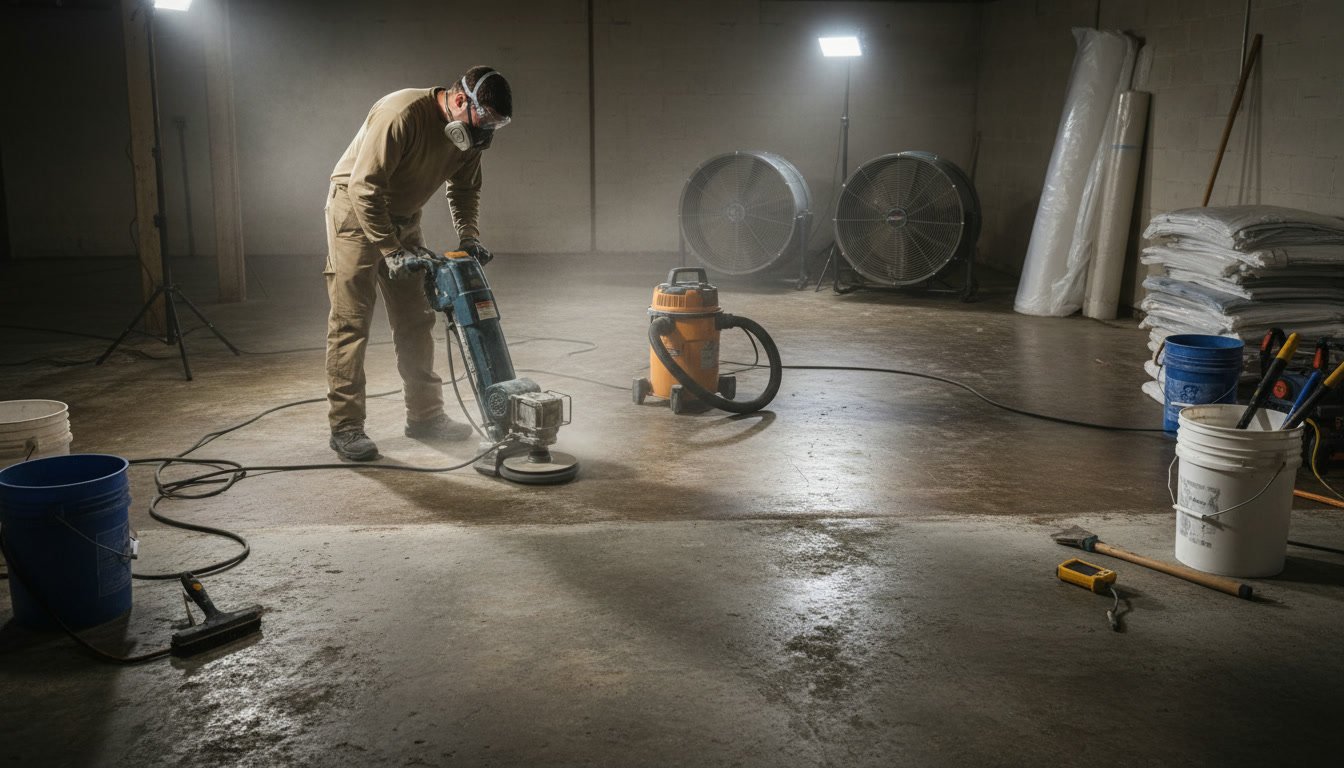
Applying epoxy over damp or improperly prepared concrete is the most frequent error. Moisture trapped beneath the coating prevents proper bonding and slows curing. Homeowners should review guidance on how to prepare concrete floors for epoxy coating application before starting any project.
Mixing ratios that deviate from manufacturer specifications alter the chemical reaction. Too much hardener or too much resin can leave the coating soft indefinitely or cause it to cure with a sticky surface. Understanding why your new epoxy floor coating is sticky or tacky helps avoid these issues.
Poor ventilation traps solvent vapors and moisture, slowing evaporation and cure speed. Opening windows, running fans, and using dehumidifiers keeps air moving and helps the coating harden on schedule.
Planning Your Project Around Cure Time
Schedule epoxy installation when you can avoid using the space for at least three full days. Garages, basements, and utility rooms are easier to keep off-limits than high-traffic areas like mudrooms or laundry rooms.
Consider seasonal timing. Spring and fall offer moderate temperatures and lower humidity in most regions, creating ideal curing conditions. Summer heat accelerates cure time but can make application more challenging. Winter cold requires supplemental heating and extended waiting periods.
If the project involves multiple spaces, stagger the work so one area cures while another is being coated. This approach minimizes disruption and allows you to maintain access to at least part of your home during the process.
Protecting Your Investment After the Waiting Period
Once your epoxy floor is fully cured and ready for use, simple maintenance extends its life and keeps the finish looking new. Sweep or vacuum regularly to remove grit that can scratch the surface over time. Use soft mats under heavy equipment or frequently moved items to prevent wear patterns.
Avoid dragging sharp or abrasive objects across the floor. Even a fully cured epoxy coating can be scratched by metal edges or rough concrete blocks. Place felt pads under furniture legs and use caution when moving appliances.
Clean spills promptly, especially automotive fluids, oils, or harsh chemicals. Although epoxy offers excellent chemical resistance after full cure, prolonged exposure to certain substances can dull the finish or cause discoloration. Mild soap and water handle most cleaning tasks effectively.
JJv2 Interior House Painter Dutchess County LLC has built a reputation for careful, detail-driven work on every project. With over 20 years of hands-on experience, owner Richard Rivera and his team understand the nuances of epoxy application and cure management. Whether you need a garage floor upgrade or a durable basement finish, proper timing and preparation make all the difference.
Waiting the full recommended cure time before walking on your new epoxy floor protects the finish, preserves the bond to your concrete, and ensures the coating performs as intended for years to come. Understanding the stages of curing and planning your project around these timelines leads to professional results that stand up to daily use. If you’re ready to explore options for your home in Poughkeepsie or the surrounding Hudson Valley, reach out to our team at +1 (845) 379-3306 to discuss your project and receive expert guidance tailored to your space.