
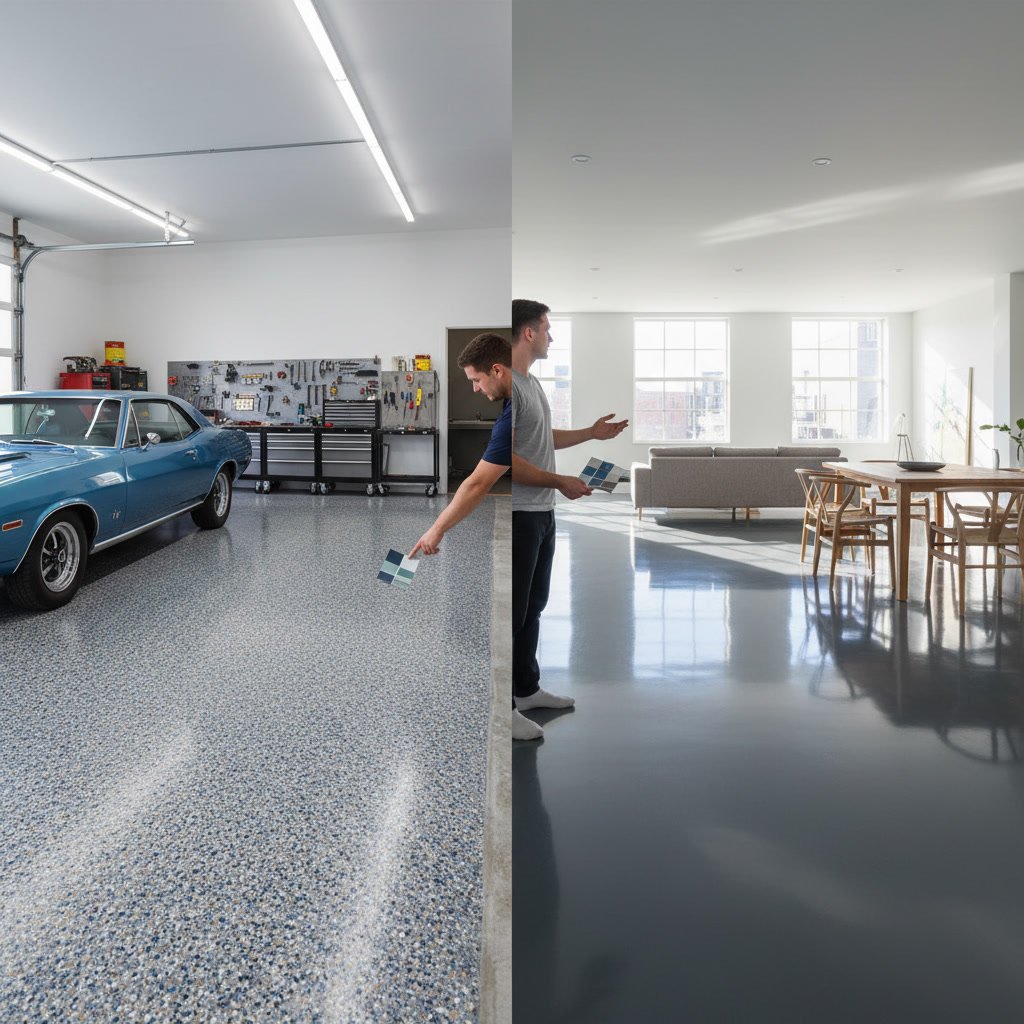
Epoxy flooring comes in two main textures: decorative flake systems and smooth, glossy finishes. Each offers distinct advantages in durability, slip resistance, and appearance, making the choice dependent on your specific space, traffic level, and aesthetic preferences. Flake epoxy floors incorporate colored vinyl or acrylic chips broadcast into a base coat, creating a textured, multi-dimensional surface. Smooth epoxy delivers a high-gloss, mirror-like finish with minimal texture. Understanding the differences helps you select the right system for your garage, basement, or workshop.
Understanding Epoxy Floor Coating Systems
Epoxy floor coatings bond chemically to concrete, forming a rigid, protective layer that resists abrasion, chemicals, and moisture. The base resin and hardener cure into a thermosetting polymer that strengthens over time. Both flake and smooth systems use the same foundational chemistry but differ in application method and final appearance.
Smooth systems typically involve one or two coats of clear or pigmented epoxy applied directly to prepared concrete. The surface remains level and reflective, showcasing the natural concrete substrate or a solid color. Flake systems require an additional step: broadcasting decorative chips onto a wet base coat, then sealing with a clear topcoat. This extra layer builds thickness and introduces texture.
What Makes Flake Systems Different
Flake coatings incorporate vinyl, acrylic, or quartz chips in sizes ranging from 1/32 inch to 1/4 inch. These chips are scattered across the wet epoxy base, creating partial or full coverage depending on the broadcast rate. Light coverage (around 30 percent) produces a speckled look, while full broadcast (100 percent) hides the base coat entirely.
The chips add visual depth and disguise minor concrete imperfections like hairline cracks or discoloration. They also introduce a slight texture that improves traction, particularly important in areas exposed to water, oil, or dust. After the chips cure into the base coat, installers apply a clear seal coat to lock them in place and create a smooth-to-touch surface with subtle texture underfoot.
Smooth Epoxy Finishes Explained
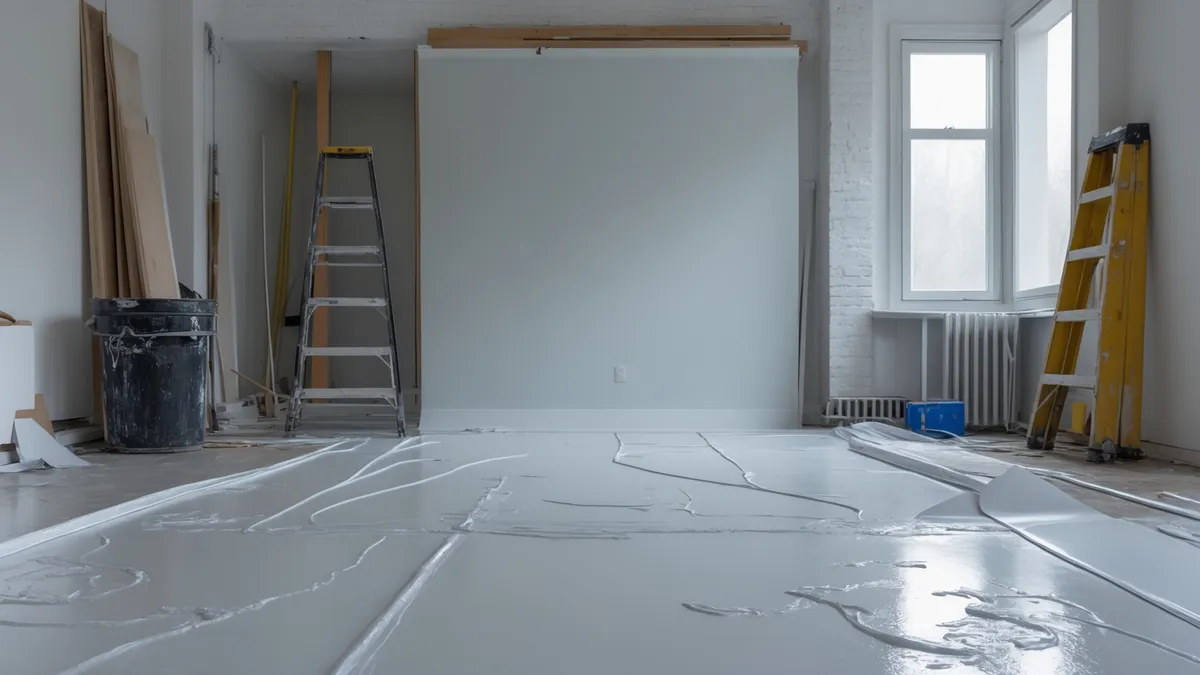
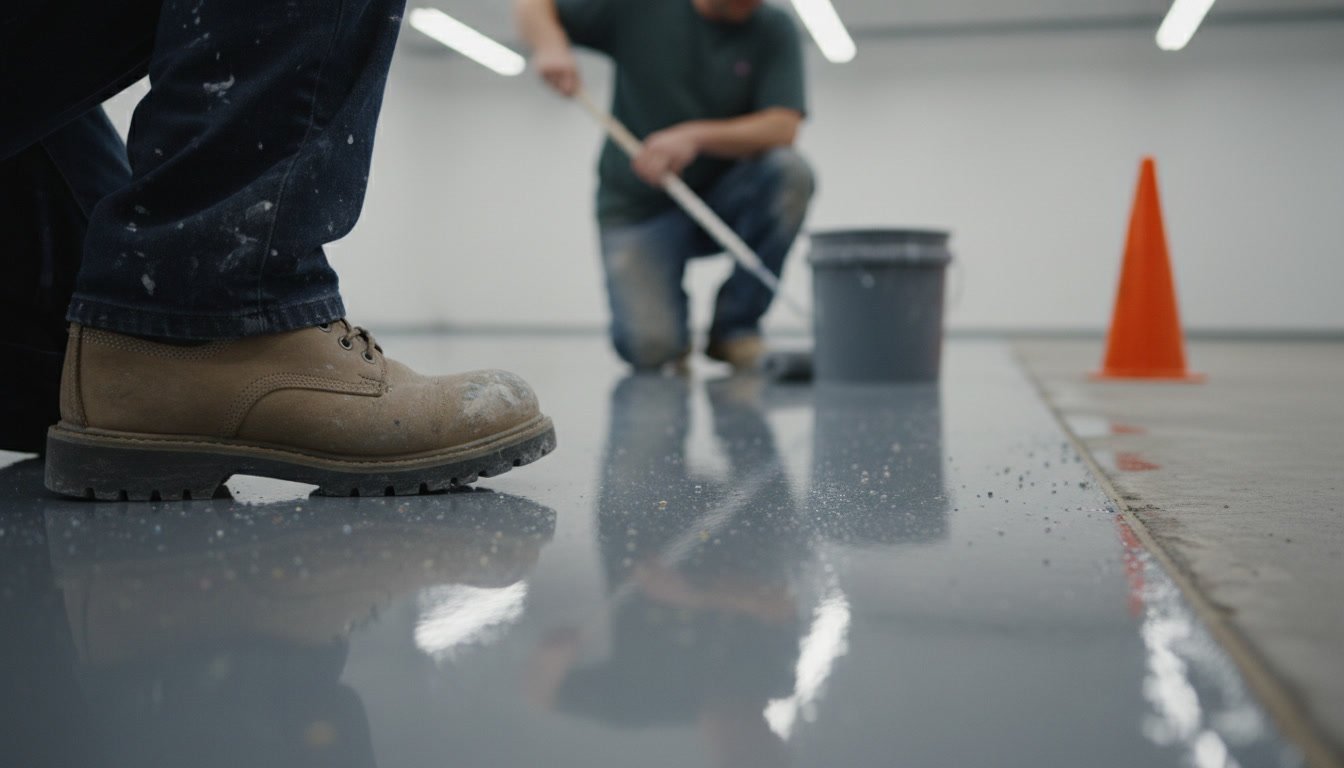
Smooth epoxy creates a glass-like surface with high reflectivity. The coating self-levels as it cures, eliminating trowel marks and producing a uniform sheen. This finish works best on concrete slabs with minimal defects, as the smooth surface amplifies any underlying irregularities.
Clear smooth epoxy showcases decorative concrete stains or polished aggregates beneath. Pigmented versions deliver solid, vibrant colors in a single tone. The high-gloss finish reflects light efficiently, brightening dim spaces like basements or enclosed garages. However, the lack of texture makes smooth epoxy more slippery when wet, requiring careful consideration in high-moisture areas.
Comparing Durability and Wear Resistance
Both systems offer excellent durability when properly installed, but flake coatings generally outperform smooth finishes in high-traffic or heavy-use environments. The chips add thickness, typically increasing the coating system from 10-15 mils (smooth) to 20-40 mils (flake). This extra material absorbs impact and resists abrasion from foot traffic, rolling toolboxes, or dropped tools.
Smooth epoxy shows scuffs, scratches, and tire marks more readily because there is no texture to mask wear patterns. In residential garages that see daily vehicle traffic, smooth coatings may require touch-ups or recoating within five to seven years. Flake systems, by contrast, hide minor damage within the multi-color chip pattern and often last 10 to 15 years before needing refinishing.
Chemical resistance remains strong in both finishes. Automotive fluids, household cleaners, and salts from winter tires do not penetrate properly cured epoxy. However, the thicker build of flake systems provides an additional buffer against chemical etching on older or porous concrete slabs.
Slip Resistance and Safety Considerations
Texture directly impacts slip resistance. Flake coatings provide inherent traction through the raised chips, even when sealed with a glossy topcoat. This makes them a safer choice for spaces where spills, condensation, or tracked-in moisture occur regularly. Garages, mudrooms, and basement workshops benefit from the added grip.
Smooth epoxy offers minimal traction in its standard form. Wet conditions create a slick surface comparable to polished tile. To improve safety, installers can add slip-resistant additives like aluminum oxide or silica sand to the final coat. These additives introduce a fine grit texture, but they also dull the high-gloss finish and create a rougher feel underfoot. If you prioritize a mirror-like appearance, smooth epoxy may require trade-offs in wet-surface safety.
Aesthetic Options and Design Flexibility
Flake systems offer extensive customization. Chips come in hundreds of color combinations, from neutral grays and tans to bold reds, blues, and metallics. You can blend multiple colors for a terrazzo-like appearance or choose a single tone for subtle contrast. Chip size also varies, with smaller flakes creating a fine speckle and larger chips producing a bold, chunky look.
Smooth epoxy delivers clean, modern minimalism. Solid colors create a sleek, uninterrupted surface that complements contemporary design. Metallic epoxy, a smooth finish variant, uses metallic pigments that shift and swirl during application, producing organic, marble-like patterns. This option suits showrooms, modern basements, or accent spaces where the floor becomes a design feature.
Both systems accept decorative techniques like stenciling or saw-cut patterns, though smooth finishes showcase intricate designs more clearly due to the lack of visual noise from chips.
Installation Complexity and Time
Smooth epoxy requires fewer steps, making it faster to install. After concrete preparation, the base coat goes down, followed by an optional second coat and final seal. Total application time ranges from one to two days, with full cure in five to seven days.
Flake systems add complexity. The installer must broadcast chips evenly while the base coat remains tacky, a process that requires timing and experience. Uneven chip distribution creates visual inconsistencies or bald spots. After the chips set, workers scrape off any loose or protruding pieces before applying the seal coat. This adds an extra day to the installation timeline. For residential projects in Wappingers, expect a flake system to take three to four days from start to finish, including cure time.
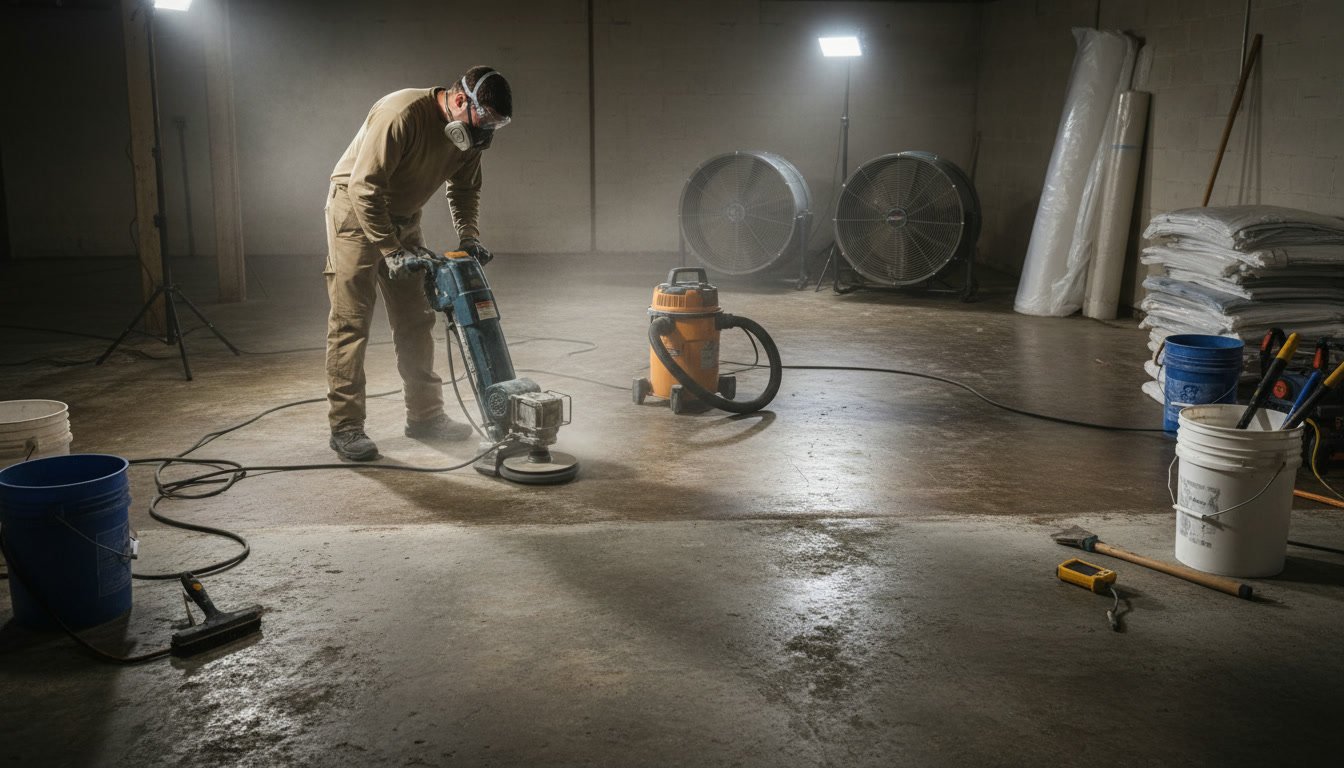
Concrete preparation remains identical for both finishes. The slab must be clean, dry, and profiled through grinding or acid etching to ensure proper adhesion. Poor prep accounts for most epoxy failures, regardless of texture. If you are starting from raw concrete, reviewing proper preparation techniques ensures a long-lasting bond.
Maintenance and Cleaning Requirements
Both systems require minimal maintenance. Sweeping or dust mopping removes loose dirt, while damp mopping with a pH-neutral cleaner handles spills and stains. Avoid harsh solvents or abrasive scrubbers that can dull the topcoat over time.
Flake floors hide dirt and debris better than smooth finishes. The multi-color pattern camouflages dust, pet hair, and small particles, reducing the frequency of cleaning needed to maintain appearance. Smooth epoxy shows every speck of dirt, requiring more frequent sweeping in high-traffic areas.
Resealing extends the life of both systems. A fresh topcoat every three to five years restores gloss and renews chemical resistance. Flake floors tolerate minor topcoat wear without visible degradation, while smooth floors show dulling and micro-scratches sooner.
Cost Differences Between Textures
Flake systems cost more upfront due to additional materials and labor. The chips themselves add expense, and the extra application steps increase installation time. Expect to pay 20 to 40 percent more for a full-broadcast flake system compared to a two-coat smooth finish on the same square footage.
However, the longer lifespan and reduced need for touch-ups can offset the initial premium. Smooth floors may require more frequent recoating or repair in demanding environments, adding to long-term costs. When budgeting for epoxy, consider the intended use and expected traffic level rather than upfront price alone.
DIY kits exist for both finishes, but professional installation ensures proper surface prep, even chip distribution, and correct mix ratios. For homeowners in Dutchess County considering a range of interior upgrades, understanding cost structures across services like interior house painting helps prioritize projects effectively.
Choosing the Right Finish for Common Spaces
Garages benefit from flake systems. The texture handles hot tire pickup (where tires soften and lift the coating) better than smooth finishes. Oil, antifreeze, and road salt wipe up easily, and the textured surface provides traction when entering on wet or snowy days. Full-broadcast flake in neutral tones complements most garage aesthetics without overwhelming the space.
Basements suit either finish depending on use. Recreational areas, gyms, or playrooms favor flake for slip resistance and durability under furniture and equipment. Finished living spaces or media rooms may prefer smooth epoxy for a polished, refined look. If moisture control remains a concern, addressing underlying issues through water damage restoration services before coating prevents delamination.
Workshops and utility spaces prioritize function over appearance. Flake coatings withstand dropped tools, chemical spills, and heavy foot traffic without showing significant wear. The forgiving nature of the multi-color pattern keeps the space looking tidy even under demanding use.
Showrooms, retail spaces, or modern home offices lean toward smooth finishes. The high-gloss surface creates a professional impression, and the uninterrupted color field highlights products or design elements without distraction.
Making the Decision That Fits Your Needs
Your choice between flake and smooth epoxy depends on balancing aesthetics, safety, durability, and budget. Flake systems deliver superior slip resistance, hide imperfections, and withstand heavy use, making them ideal for garages, basements, and high-traffic areas. Smooth finishes provide a sleek, modern look with high reflectivity, suited to low-traffic spaces where appearance outweighs texture.
Consider moisture exposure, expected wear patterns, and design preferences when selecting a system. Testing samples in your lighting conditions helps visualize the final result. JJv2 Interior House Painter Dutchess County LLC brings over 20 years of hands-on experience to every epoxy floor painting project, ensuring proper surface preparation, even application, and a finish that meets your functional and aesthetic goals.
Whether you need a durable garage floor or a polished basement finish, professional installation ensures your epoxy coating performs as expected for years. Reach out to JJv2 Interior House Painter Dutchess County LLC at +1 (845) 379-3306 to discuss your project, review texture options, and schedule an on-site consultation.