
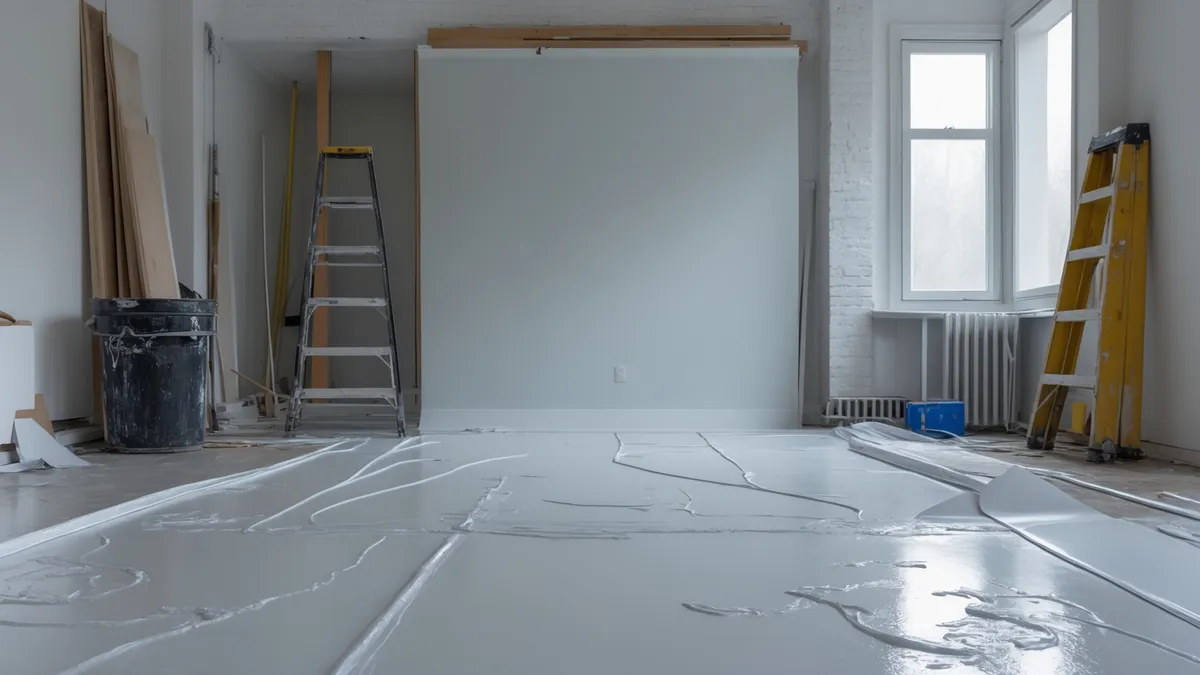
The comparison of garage floor epoxy vs basement epoxy comes down to chemical exposure, moisture conditions, and daily wear patterns. Garage floors endure automotive fluids, tire friction, and freeze-thaw cycles, requiring high-impact epoxy with chemical resistance and slip-resistant texture. Basement floors prioritize moisture vapor blocking, mold resistance, and smooth finishes suited to living or storage spaces. Each environment demands a tailored coating system to perform reliably over years of use.
Why Concrete Floors Need Different Coatings in Different Rooms
Concrete may look uniform throughout your home, but the slab under your garage experiences vastly different conditions than the one in your basement. Garages see temperature swings of 60 degrees or more between summer and winter, oil drips, battery acid spills, and the abrading force of turning tires. Basements typically maintain stable temperatures but face higher relative humidity, occasional water seepage, and lighter foot traffic.
A single-product epoxy system cannot excel in both environments. Garage formulations incorporate harder resins and aggregate additives for traction. Basement coatings feature moisture-vapor transmission barriers and smoother finishes that look appropriate in finished living areas. Selecting the wrong product for the space risks early delamination, slippery surfaces, or coating failure within months.
Chemical Resistance Requirements for Garage Floors
Automotive fluids pose the primary threat to garage floor coatings. Motor oil, transmission fluid, brake fluid, antifreeze, and gasoline all contain solvents or acids that soften inadequate epoxy. Quality garage epoxy formulations use 100 percent solids chemistry, meaning zero evaporating solvents and maximum cross-linking density. This creates a chemical barrier that resists petroleum products for hours or even days before requiring cleanup.
Battery acid and de-icing salt carried in on tires add another layer of challenge. Road salt contains calcium chloride and magnesium chloride, both hygroscopic compounds that pull moisture into concrete and can etch soft coatings. Garage epoxy must cure to a hardness rating of at least Shore D 80 to withstand these exposures without pitting or discoloration.

Moisture Vapor Tolerance in Basement Environments
Basement concrete sits below grade, in direct contact with soil moisture. Even with perimeter drainage and vapor barriers under the slab, concrete naturally transmits water vapor from the ground up. This vapor pressure measures between 3 and 12 pounds per 1,000 square feet in typical residential basements, enough to push poorly bonded coatings off the slab.
Basement epoxy systems include moisture-vapor blocking primers that bond through surface dampness and seal the slab before the topcoat goes down. These primers often contain reactive silicates that chemically combine with calcium hydroxide in the concrete to form a waterproof gel layer. Standard garage epoxy without this primer fails quickly in basements, especially if the slab was poured without a sub-slab vapor barrier, common in homes built before 1990.
If your basement has experienced any water intrusion or flooding, proper Water damage restoration services must address moisture sources before any coating application. Applying epoxy over damp or previously wet concrete without remediation guarantees adhesion failure.
Texture and Slip Resistance for Safety in Wappingers Homes
Garage floors demand aggressive slip resistance because wet tires, snow melt, and spilled fluids create slick conditions. Most professional garage epoxy includes broadcast flakes or angular silica grit at 10 to 20 pounds per 100 square feet. These aggregates lock into the wet epoxy and stand proud of the surface, creating thousands of tiny traction points. The finish feels slightly rough underfoot but provides secure footing even when wet.
Basement epoxy in finished spaces uses finer textures or smooth finishes. Homeowners walking barefoot or in socks prefer a surface that feels closer to polished concrete. Light broadcast flake at 5 pounds per 100 square feet or fine quartz sand provides enough texture to avoid slipping without feeling abrasive. Storage basements can use heavier textures similar to garages, but the choice depends on intended use rather than exposure to outdoor elements.
Comparing Impact Resistance and Abrasion Hardness
Dropped tools, dragged equipment, and vehicle traffic demand higher impact resistance in garages. Epoxy formulations rated for garage use incorporate flexibilizers that allow the coating to absorb sudden shocks without cracking. These additives slightly reduce ultimate hardness but prevent catastrophic chipping when a wrench or jack stand hits the floor.
Basement coatings prioritize scratch resistance over impact absorption. Furniture legs, storage bins, and foot traffic cause slow abrasion rather than sudden impacts. A harder, more brittle epoxy performs well in this context because it resists surface marring. Many basement systems cure to Shore D 85 or higher, creating a glass-like finish that stays glossy for years under light use.

UV Stability and Color Retention Differences
Garages with windows or open doors expose epoxy to ultraviolet light, which degrades certain resins and causes yellowing. Aliphatic epoxy or polyaspartic topcoats offer superior UV stability, maintaining their original color even with daily sun exposure. These topcoats cost more but prevent the amber tint that develops on standard aromatic epoxy within six months of sunlight exposure.
Basement floors rarely see direct sunlight, making UV stability a non-issue. Standard aromatic epoxy performs perfectly in below-grade spaces and costs 20 to 30 percent less than UV-stable alternatives. Choosing a UV-resistant system for a windowless basement wastes money without adding functional benefit.
Temperature Cycling and Thermal Shock Tolerance
Garage floors endure seasonal temperature extremes that basements never experience. In Dutchess County winters, an unheated garage may drop to 10 degrees overnight, then warm to 70 degrees when the door opens on a sunny afternoon. This 60-degree swing causes concrete to expand and contract, stressing the bond between coating and substrate.
Garage epoxy formulations include plasticizers that maintain flexibility across wide temperature ranges. The coating must stretch and compress with the concrete without cracking or delaminating. Basement epoxy, operating in a stable 55 to 70 degree environment year-round, does not require this level of thermal flexibility and uses harder, more rigid chemistry for better scratch resistance.
Understanding these thermal differences explains why a smooth, hard basement epoxy would crack in a garage, while a flexible garage coating would feel too soft and mark easily in a finished basement. Professional Epoxy floor painting services match the product to the environment rather than using a one-size-fits-all approach.
Application Thickness and Layer Structure
Garage epoxy systems typically apply in two or three layers: a primer coat at 3 to 5 mils, a pigmented base coat at 8 to 12 mils, and an optional clear topcoat at 3 to 5 mils. The total dry-film thickness reaches 15 to 20 mils, providing enough depth to embed broadcast aggregate while maintaining a smooth walking surface above the texture. This thickness also bridges minor surface imperfections in older garage slabs.
Basement coatings often apply thinner, around 10 to 15 mils total, because the substrate typically shows fewer imperfections and the space demands a more refined appearance. Thinner application reduces material cost and curing time while still delivering full protection against moisture vapor and light wear. For homeowners interested in the differences between coating styles, the guide on flake epoxy floors vs smooth epoxy finish provides additional detail on texture options.
Curing Time and Return to Service
Garage epoxy must cure hard enough to resist hot tire pickup, the phenomenon where a parked car’s weight and heat soften the coating enough to pull it off the slab when the vehicle moves. Most garage formulations require 72 hours of cure time before vehicle traffic, with full chemical resistance developing over seven days. Cooler temperatures extend these timelines, while temperatures above 80 degrees accelerate them.
Basement epoxy handles foot traffic sooner, often within 24 hours, because it does not face the thermal stress of hot tires. However, full moisture-vapor resistance takes the same seven days to develop as the coating cross-links completely. Moving furniture or placing area rugs before the coating fully cures can cause indentations or bond failure, so patience remains important even in low-stress environments.
Maintenance and Cleaning Protocol Variations
Garage floors collect dirt, oil, and road grime that require stronger cleaning agents. Epoxy designed for garages tolerates degreasers, diluted muriatic acid for efflorescence removal, and pressure washing up to 2,500 psi. The textured surface traps some contamination, so periodic deep cleaning with a stiff brush maintains appearance and prevents buildup that could degrade the coating over time.
Basement epoxy needs only gentle cleaning with pH-neutral floor cleaner and a damp mop. The smooth finish shows dust and footprints more readily than textured garage epoxy but cleans quickly without scrubbing. Harsh chemicals and pressure washing can damage the glossy surface, creating dull spots or causing delamination at the edges where the coating meets the wall.
Choosing the Right Coating for Your Space
Matching epoxy formulation to space conditions ensures long-term performance and avoids costly recoating. Garages need chemical-resistant, flexible, textured systems that handle temperature extremes and vehicle traffic. Basements require moisture-blocking, smooth or lightly textured coatings optimized for stable indoor conditions. Attempting to save money by using leftover garage epoxy in a basement, or vice versa, leads to premature failure and wasted effort.
JJv2 Interior House Painter Dutchess County LLC evaluates concrete condition, moisture levels, and intended use before recommending a specific epoxy system. This assessment includes testing for moisture vapor transmission, checking slab hardness, and identifying any prior coatings that require removal. Proper preparation remains as important as product selection because even the best epoxy fails on poorly prepped concrete.
The company also handles related interior work that often accompanies epoxy projects. Basement finishing may require Drywall installation for new walls, while garage renovations sometimes include removing damaged drywall from moisture exposure. Coordinating these trades under one contractor streamlines the project and ensures compatible materials throughout.
For complete guidance on surface preparation before any epoxy application, refer to the detailed breakdown on how to prepare concrete floors for epoxy coating application, which covers cleaning, etching, and moisture testing procedures that determine coating success.
Protecting Your Investment with the Right System
Garage and basement floors serve different purposes and face distinct challenges. Selecting epoxy engineered for the specific environment delivers a durable, attractive surface that performs reliably for 10 to 15 years or longer. Matching chemical resistance, moisture tolerance, texture, and flexibility to actual conditions prevents the common failures that plague generic coating jobs.
Professional evaluation and proper product selection protect your flooring investment and eliminate the frustration of peeling, staining, or slippery surfaces. The right epoxy system transforms raw concrete into a finished surface that enhances both function and appearance in garages, basements, and other concrete spaces throughout your home.
JJv2 Interior House Painter Dutchess County LLC brings over 20 years of experience to every epoxy floor project, ensuring the right product meets the demands of your specific space. Whether you need a chemical-resistant garage floor or a moisture-blocking basement coating, professional assessment and application deliver results that last. Call (845) 379-3306 to discuss your flooring project and schedule an evaluation.
